




















T600 Shade Welder: Boosting Awning & Shade Structure Production for Spring 2026 (Clone)
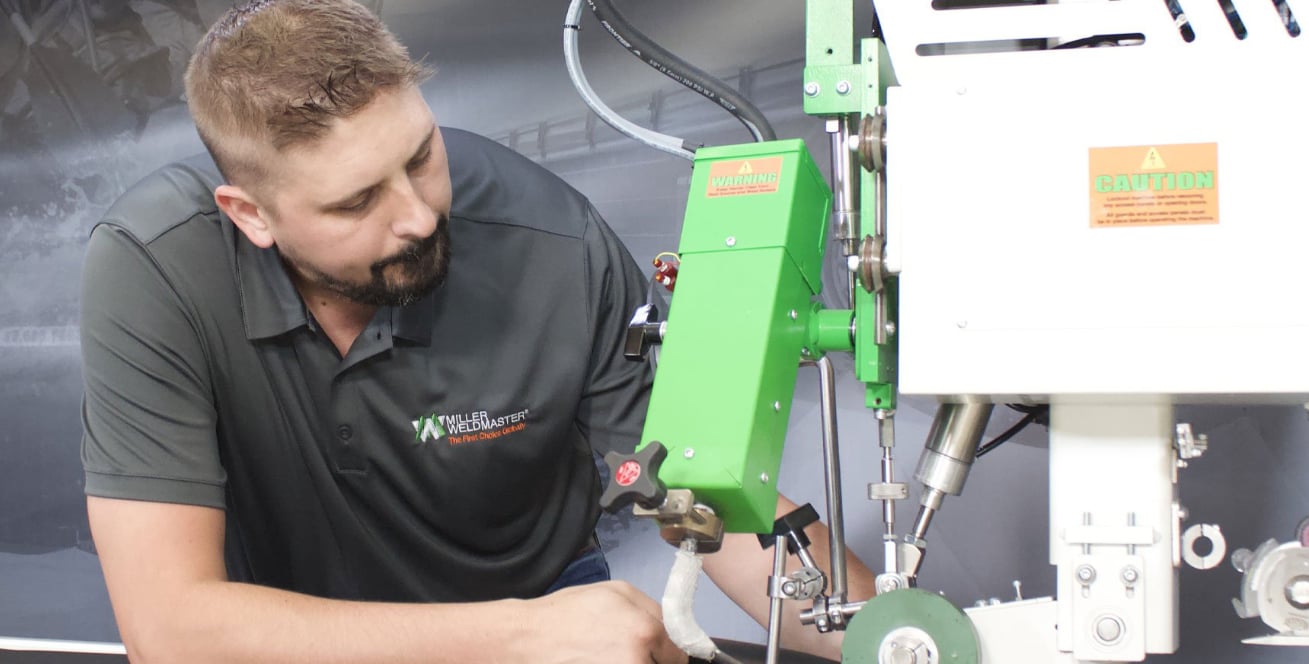
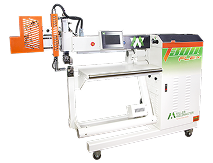
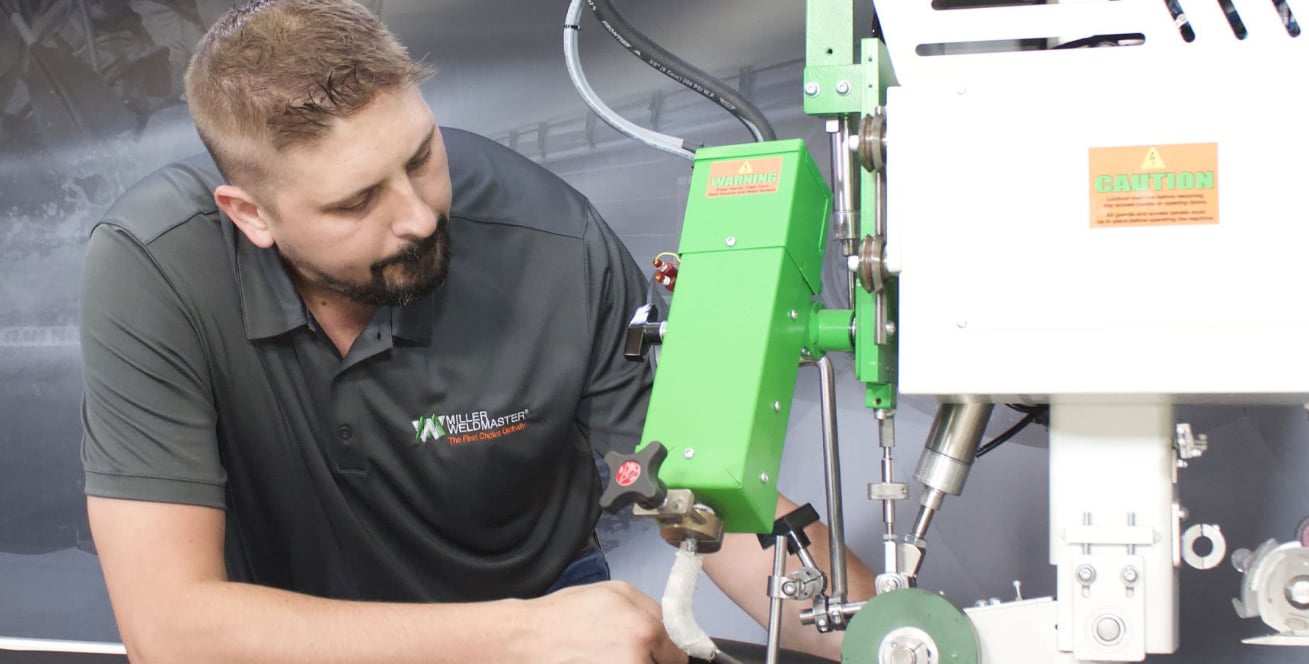
The T600 shade welder is a purpose-built hot wedge welding machine designed to join large fabric panels used in awnings, retractable shades, and tension structures. With its heavy duty construction and ability to meet heavy production demands, it delivers consistent, high-strength seams for outdoor applications where durability and appearance matter most. The T600 Shade Welder is built for the toughest production demands. Learn more about the T600 Extreme Shade.
As spring approaches, awning and shade fabricators face their busiest season. The ability to scale production, maintain seam quality, and deliver on time often comes down to the equipment on your floor. Shops that invest early are better positioned to handle demand without bottlenecks.
Quick Hits Before You Read On · Key Takeaways
- The T600 shade welder is a hot wedge welding machine designed for large-scale awning and shade structure fabrication.
- Features & benefits: Key advantages include user-friendly operation, versatility across multiple fabric types, and quick, precise adjustments for efficient production.
- Easy operation: The T600 offers straightforward controls and an intuitive interface, making it simple for operators to set up and use with minimal training.
- It handles PVC, acrylic, HDPE, and laminated outdoor fabrics commonly used in the awnings industry.
- The machine produces hems, pockets, and rope seams in a single pass for faster throughput.
- Spring demand makes early production planning critical for meeting order volume.
- Compared to manual sewing, it improves speed, consistency, and reduces rework.
- For specs or to discuss your application, visit contact sales.
What Is the T600 Shade Welder and What Does It Handle?
The T600 shade welder is engineered specifically for hot wedge welding awnings and large-format fabric panels. It uses controlled heat and pressure to bond materials together, creating strong, weather-resistant seams without thread or needle holes. The T600 is available in hot wedge, hot air, or a combination of both technologies, utilizing hot air welding up to 730°C (1,346°F) and hot wedge welding up to 450°C (842°F) for optimal seam strength. For optimal welding performance, the T600 requires a consistent supply of compressed air at specified volume and pressure to support its hot air and wedge welding processes.
What sets it apart for shade structure fabrication is its extra-wide throat clearance, dual welding arm setup, and integrated fabric handling system. The machine supports multiple seam configurations and precisely controlled operating parameters, ensuring consistent, high-quality results. These features allow operators to manage oversized, heavy panels with better control and alignment throughout the welding process.
Typical materials and applications include:
- PVC-coated polyester for durable outdoor covers
- Solution-dyed acrylic for custom awnings
- HDPE shade cloth for breathable shade structures
- Laminated textiles for specialty outdoor applications
- Acrylic shades and welding PVC for robust, weather-resistant shade structures
The T600 is ideal for manufacturing tarpaulins, covers, tent structures, banners, and inflatable products.
What Fabrics Can the T600 Shade Welder Work With?
Fabric type directly impacts weld quality due to differences in melting points, coatings, and surface finishes. Seam width may vary depending on the application and material type, so it's important to adjust welding cycles accordingly.
- PVC-coated polyester – Ideal for strong, waterproof seams in heavy-duty applications
- Solution-dyed acrylic – Clean welds with improved aesthetics and UV resistance
- HDPE shade cloth – Breathable material requiring precise heat control
- Laminated outdoor textiles – Multi-layer fabrics that benefit from consistent weld pressure
The T600 Shade Welder is capable of producing seams within a specific width range suitable for these various materials and applications. It accepts fabrics up to 2m (78.7 inches) wide to pass through the throat without folding, and features a throat width of 2.03m (79.9 inches), making it compatible with large fabric dimensions and production needs.
A fabricator switching from sewing acrylic panels to welding often sees cleaner seams and eliminates thread degradation caused by UV exposure.
The Real Challenges in Awning Fabrication — and How the T600 Addresses Them
- Managing oversized panels
Large awning sections are difficult to control manually. The T600’s inboard/outboard puller system, combined with additional fabric handling support, enables easier fabric handling for large, heavy panels by keeping fabric aligned and moving smoothly through the weld. - Maintaining seam consistency
Long seams can vary when sewn by hand. The T600 delivers consistent heat and pressure, ensuring uniform welds across the entire panel. - Keeping up with seasonal demand
Spring surges can overwhelm manual workflows. The T600 is built to handle large, heavy production demands and provides versatility as a multi-function machine, increasing throughput and allowing shops to take on more jobs without sacrificing quality.
What Seam Types Can the T600 Shade Welder Produce?
The T600 is designed to produce the most common seam types required in outdoor shades manufacturing—all in a single pass. This means operators complete the seam in one run, reducing handling time and improving efficiency. The T600 supports multiple seam configurations, allowing you to quickly adjust for different seam widths and accommodate diverse product needs.
- Hems – Clean, reinforced edges for durability and finished appearance
- Pockets – Integrated channels for hardware or structural supports
- Rope insert seams – Strong, reinforced seams for tensioned systems
Why Does Seam Quality Matter for Retractable Awnings and Shade Sails?
Retractable awnings and shade sails are exposed to constant movement, wind loads, and UV radiation. Seams are often the first point of failure in these systems.
Welded seams eliminate thread, needle holes, and gaps—resulting in longer-lasting products. For fabricators producing commercial awnings, this translates to fewer failures and better long-term performance.
How the T600 Compares to Manual Awning Fabrication Methods
| Feature | Manual Fabrication | T600 Shade Welder |
|---|---|---|
| Seam Method | Sewing with thread | Hot wedge welding |
| Labor per Panel | High | Reduced |
| Seam Consistency | Variable | Consistent |
| Time per Pass | Slower | Faster |
| Suitable for Long Runs | Limited | Ideal |
The T600 Shade Welder features quick, repeatable head adjustments and an ergonomic design, improving efficiency and user comfort. Its touch screen interface, quick setting recall, and recipe storage streamline operation and setup, making it easy to achieve consistent results. The T600 can reach welding cycle speeds of up to 30m/min (100ft/min) and integrates quality control systems that monitor welding parameters in real-time to prevent defects. For a broader look at equipment options, explore Miller Weldmaster’s top-selling machines.
How to Prepare Your Awning Production Line for Spring 2026
Preparing for peak season requires a clear plan and the right equipment in place.
- Audit your current bottlenecks
Identify where production slows down—typically in seam creation or panel handling. - Identify manual slowdowns
Look for processes that rely heavily on labor and limit throughput. - Evaluate equipment upgrades
Evaluate equipment upgrades
Consider automation solutions like the T600 to improve efficiency. The T600 operates on single phase power, with options for 240 volts single phase and 400 volts single phase to suit different facility requirements. Learn more about the awnings industry page. - Time your investment
Plan purchases early to ensure installation and training are complete before peak demand.
Taking these steps now ensures your shop is ready to meet spring order volumes with confidence.
A Miller Weldmaster certified field service engineer will contact you to schedule installation and training at your facility. We provide you with everything you need to know to get your team ready for installation and training. Your staff will receive extensive instruction on welding equipment operation, maintenance, and how to produce your product.
When Is the Right Time to Invest in an Awning Welding Machine?
The ideal time to invest is 60–90 days before peak season. This allows time for delivery, setup, and operator training.
With demand accelerating in March and April, ordering in Q1 ensures your production line is fully operational when orders begin to surge.
Other Miller Weldmaster Machines Worth Knowing About
The T600 shade welder is part of a broader lineup of machines designed for industrial fabric welding across multiple applications.
If your operation extends beyond awnings, you may also benefit from solutions focused on tent welding machines and automated tent manufacturing or advancements in inflatable welding innovations. These technologies highlight how automation is transforming fabric-based manufacturing across industries.
Talk to Miller Weldmaster About Your Shade Production Needs
As spring approaches, awning and shade fabricators face increasing pressure to deliver quickly without compromising quality. Having the right equipment in place can make the difference between keeping up and falling behind.
The T600 Extreme Shade is designed to support high-volume production while maintaining consistent seam quality. If you're evaluating your next step, reviewing specifications or having a conversation with an expert can help clarify the best path forward.
To learn more or discuss your application, connect with contact sales.
Frequently Asked Questions About the T600 Shade Welder
What is the T600 Shade Welder used for?
The T600 Shade Welder is used to weld large fabric panels for awnings, retractable shades, shade sails, and tension structures. It uses hot wedge technology to create hems, pockets, and rope seams, providing strong, weather-resistant bonds for outdoor applications.
Can the T600 Shade Welder handle large awning panels?
Yes, the T600 is designed for large panels. Its extra-wide throat clearance and inboard/outboard puller system allow operators to manage oversized, heavy fabrics while maintaining alignment and consistent weld quality throughout the process.
How does hot wedge welding compare to sewing for awning fabrication?
Hot wedge welding melts and bonds fabric surfaces together, creating a continuous seam without thread or needle holes. This results in stronger seams that resist UV exposure and mechanical stress better than traditional sewn seams in outdoor environments.
What types of fabric can be welded with the T600 Shade Welder?
The T600 can weld PVC-coated polyester, solution-dyed acrylic, HDPE shade cloth, and laminated outdoor fabrics. For specific material compatibility and settings, consult Miller Weldmaster.
How much faster is the T600 Shade Welder than manual awning sewing?
Speed varies by application, but hot wedge welding is consistently faster than manual sewing on long seams. It also improves consistency and reduces rework. For detailed throughput comparisons, reach out via contact sales.


---2.jpg)