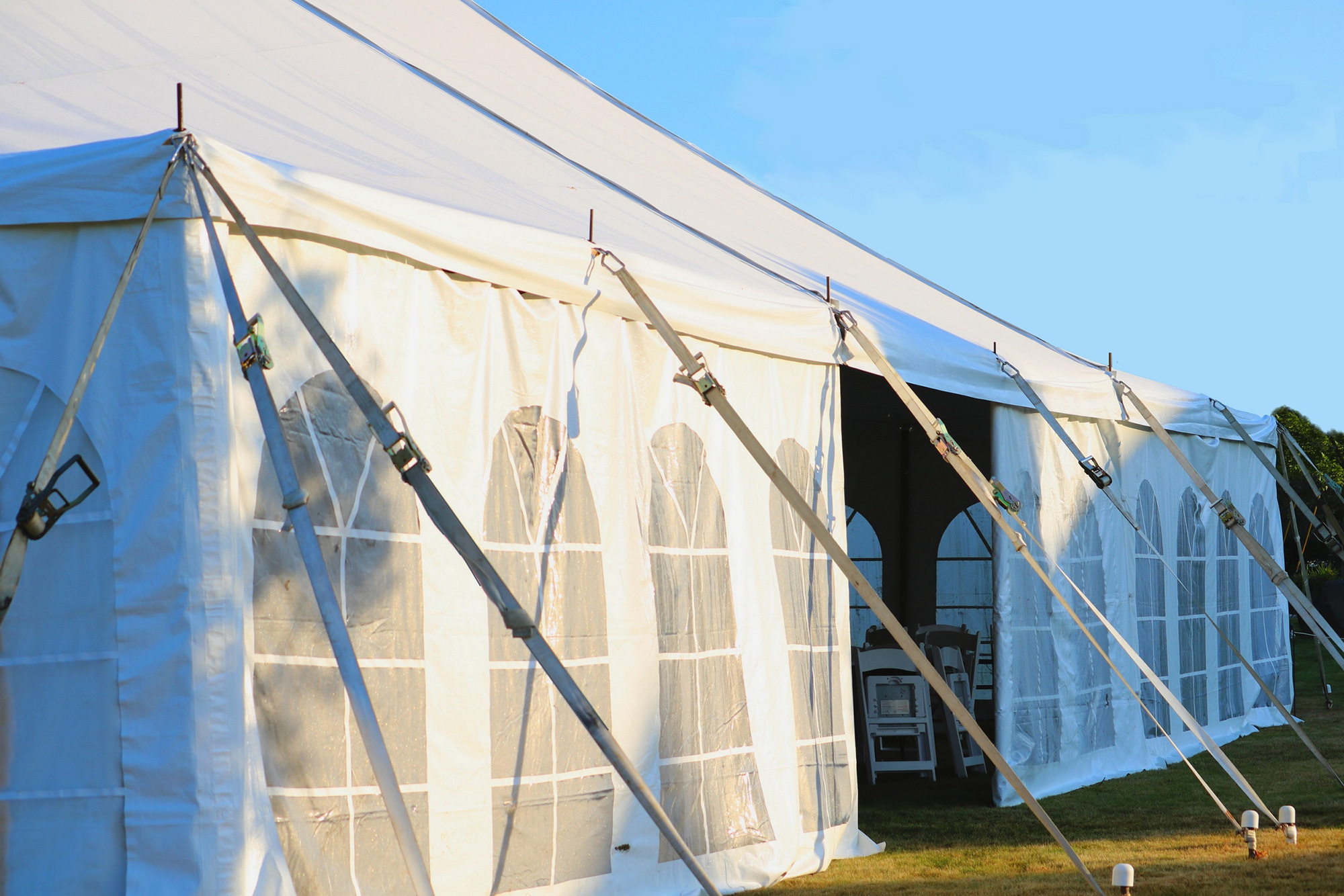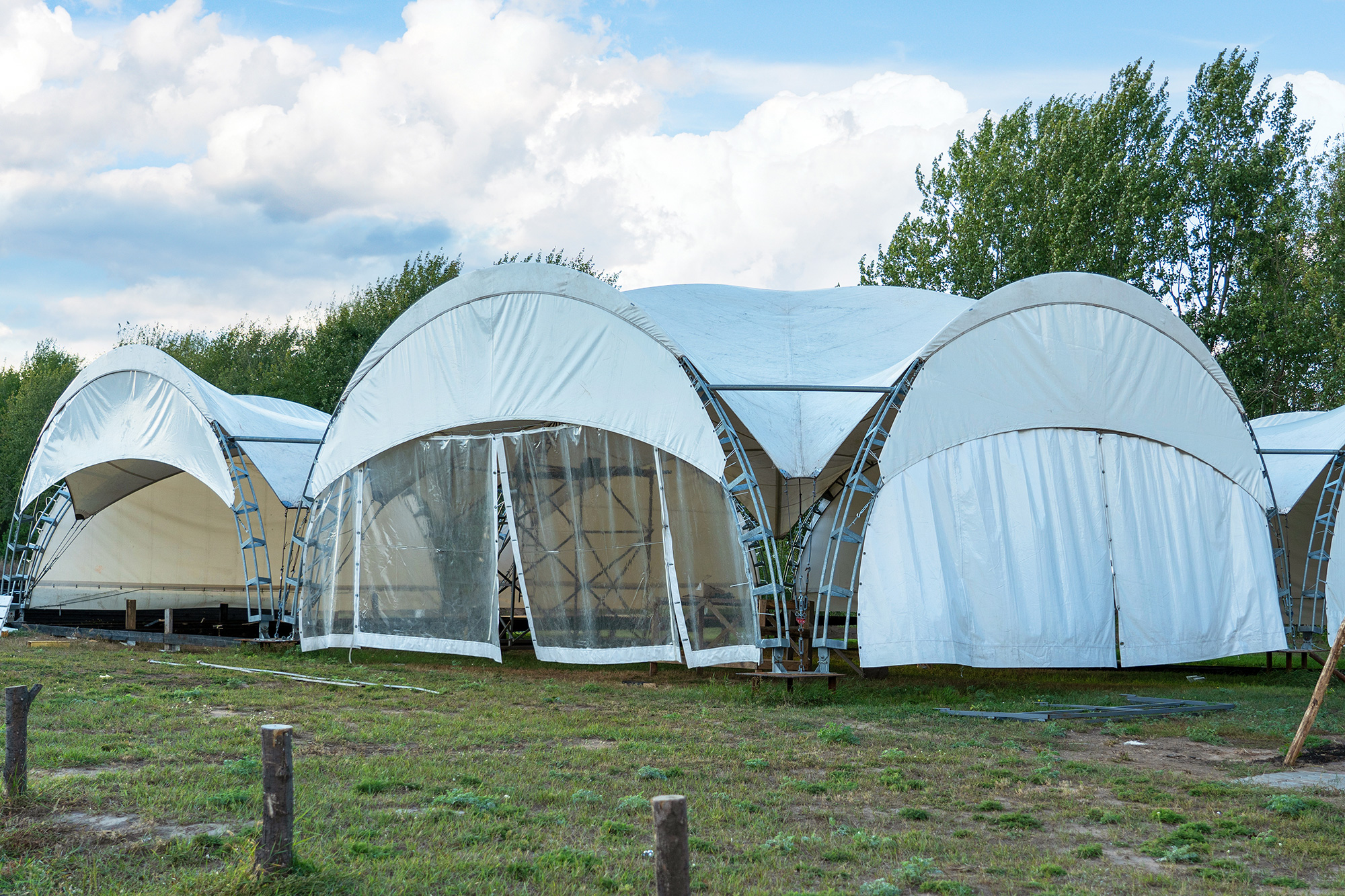
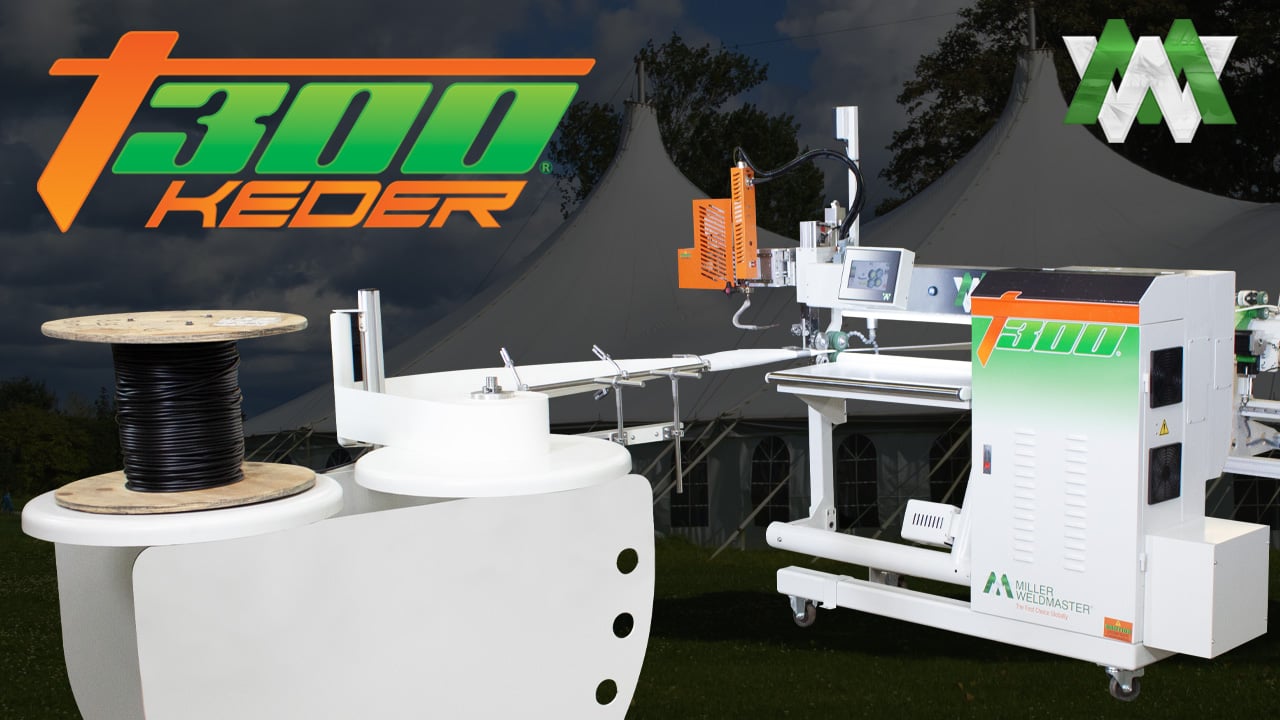
Keder plays a critical role in modern fabric structures, and the keder welding machine is at the center of producing strong, reliable seams that keep those structures performing in real-world conditions. A keder welding machine is specialized industrial equipment that uses hot air, wedge, or high-frequency radio waves to attach a cord and fabric flap to industrial fabrics, creating reinforced, waterproof edges for various applications. Whether used in large event tents, architectural membranes, or industrial shelters, keder ensures panels connect securely while maintaining tension and weather resistance.
In simple terms, keder is a strip of fabric welded around a bead or cord, allowing it to slide into a track system. This connection method is essential in applications like tents and fabric structures, where durability, fit, and repeatability are non-negotiable. The ability of keder welding machines to efficiently weld large sections makes them ideal for rapid coverage in heavy vehicles or construction pits.
Unlike sewing or manual fabrication, a keder welding machine uses controlled heat, pressure, and speed to fuse materials together, creating airtight and watertight seams. This process eliminates needle holes, improves consistency, and significantly increases production efficiency. Manufacturers use these machines to create durable, high-quality products, ensuring each product meets strict standards. As manufacturers demand higher output and stronger performance, industrial keder welding equipment has become the standard for high-strength keder production in industries such as automotive and beyond.
How High-Strength Keder Is Manufactured Step by Step
Producing keder involves a precise, repeatable process that transforms raw materials into a finished, high-performance component for making tents, covers, and fabrics:
- Material Preparation
PVC or vinyl-coated fabric is cut and prepared for feeding. - Bead Placement
The cord or bead is positioned within the fabric edge. - Alignment & Feeding
Guided systems ensure accurate positioning of both fabric and bead. - Welding Process
Heat (hot air or hot wedge), pressure, and speed fuse the materials together. - Trimming & Finishing
Excess material is removed for a clean edge. - Cooling & Stabilization
The weld sets to maintain dimensional stability. - Winding or Collection
Finished keder is rolled or staged for use, with the machine capable of handling the full length of the keder material.
Keder welding machines automate the process of creating tent piping, enabling high-speed production of durable, welded seams.
Every step depends on controlled variables—temperature, speed, pressure, and alignment. Automation improves consistency dramatically compared to manual fabrication, especially in high-volume keder production systems.
The Materials Used in Keder Production and How They Affect Weld Strength
Material selection directly impacts weld quality and long-term performance.
Common materials include:
- PVC-coated fabrics
- Vinyl-coated textiles
- Reinforced thermoplastic materials
The internal bead or rope is equally important. Its diameter (measured in mm), composition, and flexibility affect how the keder performs under tension and during installation. Seam width, also specified in mm, plays a crucial role in determining the strength and fit of the welded joint.
Key considerations:
- Coating compatibility ensures proper bonding
- Fabric weight and flexibility influence weld penetration
- Bead size (mm) and rigidity affect seam strength and fit
Seam strength in keder welding is measured in Newtons per millimeter (N/mm), indicating the force the welded joint can withstand before failing.
Mismatched materials can lead to weak bonds, distortion, or inconsistent feeding. Proper machine setup and reviewing the machine's specifications must align with material characteristics to achieve optimal results.
Hot Air vs. Hot Wedge for Keder Welding: Which Process Is Best?
Two primary welding methods dominate keder production: single-flap keder is generally welded with hot air or wedge systems, while double-flap keder often uses radio-frequency (RF) welding.
Hot wedge welding is a popular choice for keder manufacturing. In this process, a heated wedge is inserted between the layers of fabric and the keder cord. The wedge melts both the fabric and the keder cord simultaneously, making hot wedge keder welders precise and effective for fine work such as tents or custom covers. The operator then presses the layers together, creating a strong, consistent weld. Hot wedge welding is valued for its accuracy and ability to handle a variety of materials. Synchronizing the heating element, power, and temperature is crucial for achieving optimal results, especially at high welding speeds.
Hot air welding is another common method. Hot air keder welders rely on streams of heated air to fuse materials together, offering flexibility with multiple nozzle shapes and the ability to cover large surfaces quickly. In this process, a jet of hot air is directed between the fabric and the keder cord, heating both surfaces before they are pressed together. Hot air welding is versatile and can be adjusted for different materials and thicknesses. Like hot wedge welding, it requires careful control of the heating element, power, and temperature to ensure a strong, reliable weld.
Comparison and Other Methods
Both hot wedge and hot air welding offer fast production and high welding speeds, with some advanced keder welding machines capable of welding up to 100 feet per minute. This allows manufacturers to produce keder efficiently, meeting high-volume demand in a short amount of time—sometimes producing finished keder in just over a minute. To maintain this level of efficiency, it is important to monitor machine performance and production metrics, such as welding hours and heating element activity.
Other keder welding methods include hot bar keder welders, which use heated bars or plates pressed against the fabrics and keder cord to provide strong, even pressure along the seam for solid, flat-welded joints. Impulse keder welders create welds by briefly heating the bars with low energy and then rapidly cooling to seal the joint, making them suitable for thinner materials needing low-heat fusions. Each method offers unique advantages depending on the application and desired production speed.
Hot Air Welding
- Uses heated air to soften materials before pressing them together; hot air welding machines are good for general use across a wide range of projects
- Ideal for flexibility and varied material types
- Easier setup and adjustment
Proper airflow is key to strong, quality welds when using hot air keder welders, as it helps avoid weak spots in the seams. During production, materials such as the keder strap and core are often spread across the floor to facilitate efficient processing.
Hot Wedge Welding
- Uses a heated metal wedge for direct heat transfer
- Ideal for making tents and custom covers, providing highly consistent seams
- Making strong, durable seams may require more than one pass, especially on thicker materials
- Better suited for long, straight runs and high-volume production
Comparison:
- Consistency: Hot wedge has the edge
- Versatility: Hot air is more adaptable
- Speed: Both can be high-speed, depending on setup
- Control: Hot wedge offers more stability in continuous runs
Other methods like impulse or RF welding exist but are less common for keder seam welding due to material and application constraints.
What Makes Keder “High-Strength” in Real Manufacturing Conditions
High-strength keder is defined by more than just appearance. It must perform under stress.
Key performance factors:
- Bond integrity and pull strength
- Consistent bead capture
- Dimensional accuracy
- Resistance to weather and wear
Properly installing the keder cord when using a keder welder is key to achieving durable, leak-proof results.
Critical production variables include:
- Temperature
- Pressure
- Dwell time
- Speed
- Alignment
- Cooling
A seam that looks clean isn’t always strong. True high-strength keder can withstand repeated installation, environmental exposure, and structural loads without failure.
Common Keder Production Problems and What Causes Them
Manufacturers often encounter issues such as:
| Problem | Likely Cause |
|---|---|
| Weak welds | Low temperature or insufficient pressure |
| Crooked bead | Poor alignment or feeding issues |
| Wrinkling | Improper tension or speed mismatch |
| Burn-through | Excessive heat |
| Inconsistent bead capture | Misaligned guides |
It is important to monitor the operational performance of your keder welding machine, such as welding hours and heating element activity, to quickly identify and address potential problems before they lead to defects.
Both visible and hidden defects matter. A seam may appear acceptable but fail under load if internal bonding is weak. Manufacturers often provide support and solutions to help address these defects and ensure reliable production quality.
How Manufacturers Improve Consistency, Speed, and Repeatability
Modern keder production systems rely on:
- Automated systems for high-speed, hands-free manufacturing with minimal manual intervention
- Guided feeding systems for accurate alignment
- Programmable controls for repeatable settings
- Precision heat management
- Automation to reduce operator dependency
Automated systems in keder welding allow for hands-free production, reducing labor costs and required training for operators. Our team collaborates to optimize these production processes, ensuring reliable performance and efficient installation.
Integrated features like cut-off systems and winding stations further streamline production. Ultimately, process control—not just machine speed—drives efficiency and quality.
How to Choose the Right Keder Welding Machine for Your Production Needs
Selecting the right machine depends on several factors:
Key considerations:
- Material type and thickness
- Keder size range
- Production volume
- Automation requirements
- Available space
- Operator experience
- Welding power, material compatibility, and welding width—keder welding machines require careful selection based on these factors to ensure effective installation.
Buyer checklist:
- Does the machine support your materials?
- Can it maintain consistent bead alignment?
- Is it easy to set or configure the machine for specific tasks, such as adjusting lug widths or piping diameters?
- Is it easy to change settings and recipes?
- What level of training and support is available, and can installation or training be scheduled at your facility?
- Does it scale with your production needs?
- What is the cost of the machine relative to its features and durability?
- Are the desired machine and accessories currently in stock for immediate purchase?
Entry-level machines may suit smaller operations, while high-volume manufacturers often require automated keder production machines or custom systems.
Keder Welding Machine Features That Matter Most for Tent and Structure Manufacturers
For long production runs and demanding applications, the most important features include:
- Precision bead guidance
- Stable material tracking
- Accurate heat control
- Recipe storage and touchscreen interfaces
- Automation capabilities
- Accessories that enhance machine functionality
Machines designed specifically for coated fabrics deliver better results than general-purpose equipment. Reliability, ease of maintenance, and service support are equally critical for long-term performance, and the right setup ensures a perfect, flawless finish on every weld.
Why Tent and Fabric Structure Manufacturers Turn to Miller Weldmaster
Manufacturers producing tents, shelters, tarps, signs, and architectural structures rely on Miller Weldmaster for advanced keder welding solutions. Keder welders are essential in the production of industrial tarpaulins, which are widely used in construction and mining due to their strong seams that resist tearing from wind and heavy loads. Keder welding machines are also used for creating signage and advertising banners, providing strong, durable seams that keep prints taut and visible for extended periods outdoors.
With technologies like hot air and hot wedge welding, Miller Weldmaster machines deliver:
- Consistent, high-strength seams
- Increased production speed
- Reduced labor dependency
- Repeatable, high-quality output
Solutions like the T300 Extreme Keder and M100 Keder are designed specifically for fabric keder manufacturing, offering precision, durability, and efficiency.
Whether using standard equipment or custom-built systems, manufacturers can optimize throughput and maintain consistent quality across every production run. Learn more at Miller Weldmaster or reach out to contact sales or service support.
Frequently Asked Questions About Keder Welding Machines
What is the best welding method for keder used in tents and fabric structures?
Hot wedge welding is often preferred for high-volume, consistent production, while hot air welding offers more flexibility for varying materials.
Can a keder welding machine work with different fabric weights and bead sizes?
Yes, most industrial keder welding machines are adjustable and can handle a range of materials and bead diameters with proper setup.
Is welded keder stronger than sewn keder?
Yes. Welded keder eliminates needle holes, resulting in stronger, more weather-resistant seams.
How do manufacturers test keder strength and seam quality?
Common methods include pull testing, visual inspection, and real-world application testing under load conditions.
When does it make sense to choose an automated or custom keder production system?
Automation is ideal for high-volume production, while custom systems are best when unique materials, sizes, or processes are required.