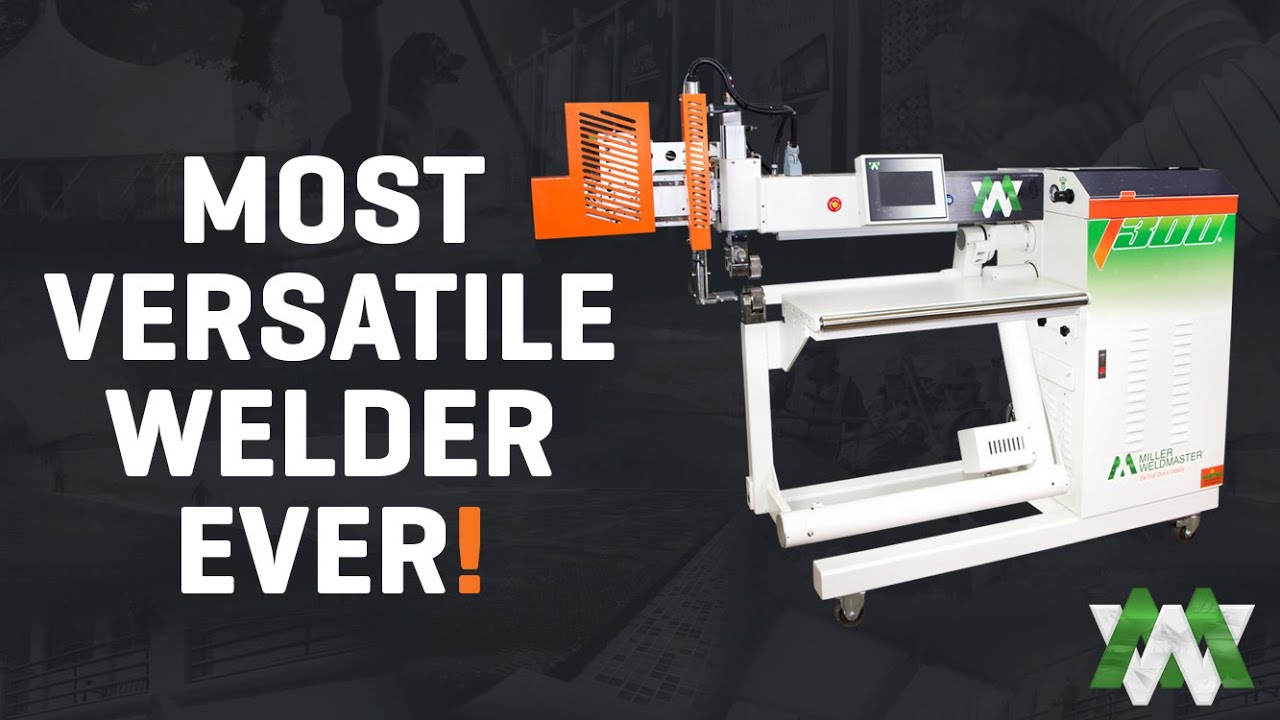
An engineered fabric welding system is a customized or semi-customized production solution designed to solve specific manufacturing challenges that standard machines cannot address effectively. These systems are specifically designed as specialized industrial machines to join thermoplastic materials together without the need for needles, thread, or adhesives. Unlike off-the-shelf equipment, these systems integrate welding technology with material handling, automation, controls, and workflow optimization to deliver consistent, scalable results.
The difference between a machine and a system is critical. A machine performs a task. These systems are the ideal solution for applications where waterproof and airtight seams, often stronger than the base material itself, are required. A system manages the entire process—from feeding and aligning materials to welding, trimming, and output. “Engineered” does not always mean fully custom from scratch; it can include modular automation, custom fixtures, seam tracking, PLC integration, and operator-assist features tailored to your application. Learn more about custom automation solutions here: https://www.weldmaster.com/custom-automation-machines
The goal of an engineered system is simple: solve production, quality, and scalability problems that standard machines struggle to handle consistently. Engineered fabric welding systems eliminate the need for consumables like thread or adhesives, which reduces ongoing operational expenses.
Signs Your Standard Welding Machine Is No Longer Enough
Most manufacturers don’t outgrow their machines overnight—it happens gradually.
Common warning signs include:
- Frequent rework and scrap
- Slower-than-needed output
- Heavy operator dependency
- Material handling challenges
- Long changeover times
These issues show up as missed deadlines, customer complaints, overtime labor, and shrinking margins.
It’s important to distinguish:
- Training issue → operator inconsistency
- Maintenance issue → worn components
- Equipment limitation → system mismatch
If adding another standard machine only multiplies inefficiencies, it’s likely time for a different approach.
Why Standard Machines Hit A Wall In Complex Fabric And Thermoplastic Production
Standard machines are designed for general applications—not complex, high-precision manufacturing.
They often struggle with:
- Wide panels and long seams
- Curved or complex seam geometries and complex seams
- Multi-layer assemblies
- Heavy or specialty materials
- Tight tolerances
The precision of engineered fabric welding systems enables the creation of complex seams with join points that are consistently waterproof and airtight, which is critical for many industrial applications.
While they work well for simpler jobs, pushing them beyond their intended scope leads to manual workarounds, increased variability, and higher defect rates.
The hidden cost isn’t just performance—it’s the ongoing inefficiency required to compensate for limitations.
When An Engineered System Makes More Sense Than Buying Another Standard Machine
There are clear triggers that signal the need for a system-level solution:
- Labor shortages
- Increasing demand or volume
- Difficult or evolving materials
- Frequent product changeovers
- Complex product construction
At this stage, adding labor or duplicating machines often increases complexity instead of solving it. Engineered welding solutions can transform production capabilities by delivering stronger, more reliable seams than traditional methods.
Engineered systems create leverage by:
- Improving repeatability
- Increasing throughput
- Reducing operator dependency
- Integrating workflows
- Providing comprehensive welding solutions tailored to your production needs.
Ask yourself:
- Are we solving the same problem repeatedly?
- Is labor becoming the bottleneck?
- Are we scaling inefficiency?
If yes, a system approach is worth evaluating.
The Core Parts Of An Engineered Fabric Welding System
A well-designed system combines multiple components into a cohesive process:
Core elements:
- Weld head technology (hot air, wedge, impulse)
- Material feeding systems
- Alignment and guiding systems
- Automation controls and PLCs
- Automated controls in welding systems manage heat, speed, and pressure with extreme precision, virtually eliminating the risk of human error.
- Recipe management
Supporting components:
- Custom fixtures and tooling: Selecting the right tool for each application is critical for quality and efficiency. High-quality options, such as Leister tools, are widely used for their reliability and industry reputation.
- Cooling and trimming systems
- Operator interfaces
- Smart automation features now include IoT connectivity, digital PLC control panels, and real-time quality monitoring to detect defects instantly.
- Safety and ergonomic design
Integration options:
- Conveyors and pullers
- Edge guiding systems
- Cutters and slitters
- Barcode or job tracking
- Upstream/downstream equipment
The best systems balance flexibility with repeatability—not one at the expense of the other.
Choosing The Right Welding Technology: Hot Air vs. Hot Wedge vs. Impulse
The technology decision comes first—before automation or system design.
Hot Air
- Best for coated fabrics and flexible materials
- Versatile across applications
- Slightly less precise than wedge in some cases
- Hot air welding uses hot air tools, such as a heat gun, to blow hot air between two fabrics, causing the thermoplastic materials to melt and fuse together at the welding point with applied pressure.
Hot Wedge
- Ideal for uniform thermoplastics
- Highly consistent and repeatable
- Faster in continuous production
- Hot wedge welding uses a heated metal wedge that slides between two fabrics at the welding point, applying heat and pressure to melt and fuse the materials. This method is particularly suitable for welding thermoplastics like polypropylene in specific applications such as truck tarps and pool liners.
Impulse
- Precise and controlled heating
- Best for specific films and detailed seams
- Slower but highly accurate
- Impulse welding uses a single hot bar to apply both heat and pressure to weld thermoplastics, ensuring strong, reliable seams.
Radio Frequency
- Uses high-frequency electric fields to induce heating and welding of materials, making it effective for certain thermoplastics and coated fabrics.
Ultrasonic
- Uses high-frequency vibratory energy to create friction and heat, welding materials quickly and efficiently.
Decision framework:
- Material type → thermoplastic vs coated fabric
- Thickness → thin vs heavy
- Seam type → long vs intermittent
- Production goals → speed vs precision
- The versatility of fabric welding machines allows them to work with a wide range of thermoplastics, making them adaptable for various welding thermoplastics and specific applications.
There is no universal “best”—only the best fit.
Material Compatibility and Limitations
Selecting the right fabric welding method depends on the materials involved and the specific requirements of your industry. Hot air welding is highly effective for joining PVC coated fabrics, TPU, and other thermoplastic materials up to 2mm thick, making it a popular choice for flexible applications like awnings and roofing materials. Hot wedge welding excels with heavy-duty fabrics such as truck tarpaulins and pool covers, especially when straight, continuous seams are needed for maximum strength and durability.
Ultrasonic welding is ideal for thin, non-woven fabrics and medical textiles, providing precise, clean seams without the need for adhesives or thread. However, traditional sewing remains the preferred method for natural fibers and textiles that cannot be heat welded, such as cotton or wool. For complex three-dimensional shapes or hybrid assemblies, specialized tooling or a combination of welding methods may be required to achieve the desired results.
Miller Weldmaster assists customers in evaluating their materials and application needs, ensuring the chosen welding method aligns with specific industry requirements and delivers optimal performance. Whether you’re working with woven fabrics, non-woven textiles, or specialty covers, selecting the right process is essential for quality, efficiency, and product longevity.
Applications That Often Require Engineered Welding Systems
Certain products naturally demand more advanced solutions, especially when working with industrial fabrics for specialized applications such as truck tarps, seat covers, sterile medical equipment barriers, waterproof outdoor gear, inflatables, and large-format advertising banners. Engineered fabric welding systems are used to manufacture these high-performance textiles, ensuring durability and reliability.
- Tarps and large covers
- Tents and awnings
- Inflatables
- CIPP liners
- Geotextiles
- Pool covers
- Architectural fabrics
Fabric welding is essential in industries where airtight, waterproof, or heavy-duty seams are critical, including automotive, medical, outdoor, industrial, and signage sectors. Industrial fabric welding is also crucial for manufacturing inflatable products, ensuring airtight integrity.
These applications involve:
- Large dimensions
- Complex seam paths
- High throughput requirements
- Specialized materials
Engineered systems allow manufacturers to handle both repetitive production and complex fabrication efficiently.
Radio Frequency Applications
Radio frequency welding, also known as high-frequency or dielectric welding, uses electromagnetic energy to heat and bond materials at the molecular level. This advanced fabric welding method is renowned for its ability to create strong, consistent seams—whether straight or complex—across a wide range of thermoplastic materials. Radio frequency welding is especially valued in industries such as medical, automotive, and industrial manufacturing, where precision and reliability are paramount.
The process works by applying radio frequency energy to the fabric, causing the molecules to vibrate and generate heat internally. This results in a seamless bond that is both durable and aesthetically clean. Radio frequency welding is suitable for a variety of applications, from inflatable boats to protective covers, and is one of the most widely used industrial fabric welding methods worldwide.
To ensure safety and superior results, proper ventilation and adherence to safety protocols are essential when working with radio frequency equipment, as the process involves exposure to electromagnetic energy. When implemented correctly, radio frequency welding delivers high precision, reliable performance, and superior seam quality for even the most demanding fabric welding projects.
How Engineered Systems Improve Seam Quality, Consistency, And Throughput
Performance improvements come from control and stability.
Engineered systems deliver:
- Consistent heat application
- Stable material feeding
- Precise seam alignment
- Reduced operator variability
This leads to:
- Higher first-pass yield
- Less scrap and rework
- Faster production cycles
- Improved schedule reliability
Better process control translates directly into stronger margins and higher customer satisfaction.
The ROI Question: How To Know If An Engineered System Is Worth It
ROI should be evaluated across multiple factors—not just machine cost.
Key contributors:
- Labor savings
- Increased output
- Reduced scrap
- Fewer quality issues
- Shorter lead times
- Less overtime
Also consider the hidden cost of staying the same:
- Inefficiency
- Missed opportunities
- Production bottlenecks
True ROI depends on variables like volume, shift structure, defect rates, and changeover frequency.
The lowest upfront cost is rarely the lowest long-term cost.
How To Decide Between Semi-Automation, Modular Automation, And A Fully Engineered Line
Semi-Automation
- Best for smaller operations
- Lower cost, higher flexibility
Modular Automation
- Scalable approach
- Adds efficiency without full system overhaul
Fully Engineered Line
- Designed for high-volume production
- Maximum consistency and throughput
Your decision depends on:
- Growth plans
- Labor availability
- Product complexity
- Floor space
Many manufacturers evolve from semi-automation to full systems over time.
Implementation Realities: What Changes On The Production Floor
Transitioning to an engineered system involves planning—but it doesn’t have to be disruptive.
What to expect:
- Floor space adjustments
- Utility requirements
- Operator training
- Process development
A well-designed system minimizes disruption and accelerates adoption.
Also consider:
- Maintenance access
- Spare parts availability
- Service support
The right partner makes implementation manageable and predictable.
Training and Maintenance Needs
Maximizing the performance and lifespan of industrial fabric welding machines requires comprehensive operator training and regular maintenance. Proper training covers essential aspects such as temperature management, speed control, and material handling techniques for various fabric welding methods—including hot air welding, ultrasonic welding, and hot wedge welding. Well-trained operators can minimize material waste, prevent textile damage, and ensure consistent, high-quality production.
Routine maintenance is equally important for preserving equipment reliability and achieving reliable performance over time. Miller Weldmaster offers robust training programs and preventative maintenance protocols designed to keep welding machines and equipment operating at peak efficiency. These programs emphasize safety practices, such as working safely with heated components and maintaining proper ventilation in the workspace.
By investing in ongoing training and maintenance, businesses can reduce downtime, extend machine lifespan, and improve overall productivity. Miller Weldmaster’s support ensures customers have the knowledge and resources needed to maintain quality and efficiency throughout the lifecycle of their fabric welding equipment.
What To Ask Before Choosing An Engineered Fabric Welding Partner
Ask questions that go beyond machine specs:
- Do they understand your application?
- Can they test your materials?
- What level of customization is available?
- How scalable is the solution?
- What training and support are included?
- How responsive is their service team?
Red flags include:
- Generic recommendations
- Lack of material testing
- Limited application knowledge
A strong partner helps optimize your process—not just sell equipment.
How Miller Weldmaster Supports Manufacturers When Standard Machines Stop Working
Miller Weldmaster approaches fabric and thermoplastic welding challenges with a system-level mindset.
Using technologies like hot air, hot wedge, and impulse welding, they support:
- Prototype development
- Custom automation solutions
- Modular system upgrades
- Full production line integration
Solutions such as the T600 and Moduline systems help manufacturers move from manual or semi-automated processes into scalable, high-efficiency production environments.
More importantly, Miller Weldmaster focuses on application expertise, process optimization, and long-term support—ensuring manufacturers achieve consistent, repeatable results as they grow. Miller Weldmaster provides ongoing support to assist customers in maintaining peak performance throughout the equipment lifecycle. Proper operator training is essential to maximize the capabilities of fabric welding machines.
Frequently Asked Questions About Engineered Fabric Welding Systems
How do I know if my problem is the machine or the process?
Start by evaluating consistency. If results vary between operators or runs, it’s often a process issue. If limitations persist regardless of setup, it may be the machine.
Can an engineered system still handle different product sizes and materials?
Yes. Well-designed systems balance flexibility with repeatability through adjustable tooling and programmable controls.
What’s the difference between custom tooling and a fully custom welding system?
Custom tooling modifies a machine for a specific task, while a full system redesign integrates multiple processes into a unified workflow.
How long does it typically take to move from concept to production?
It varies, but most projects include design, testing, build, and implementation phases that can range from weeks to several months.
Which is better for my application: hot air, hot wedge, or impulse?
It depends on your material, seam requirements, and production goals. Each technology has strengths suited to different applications.