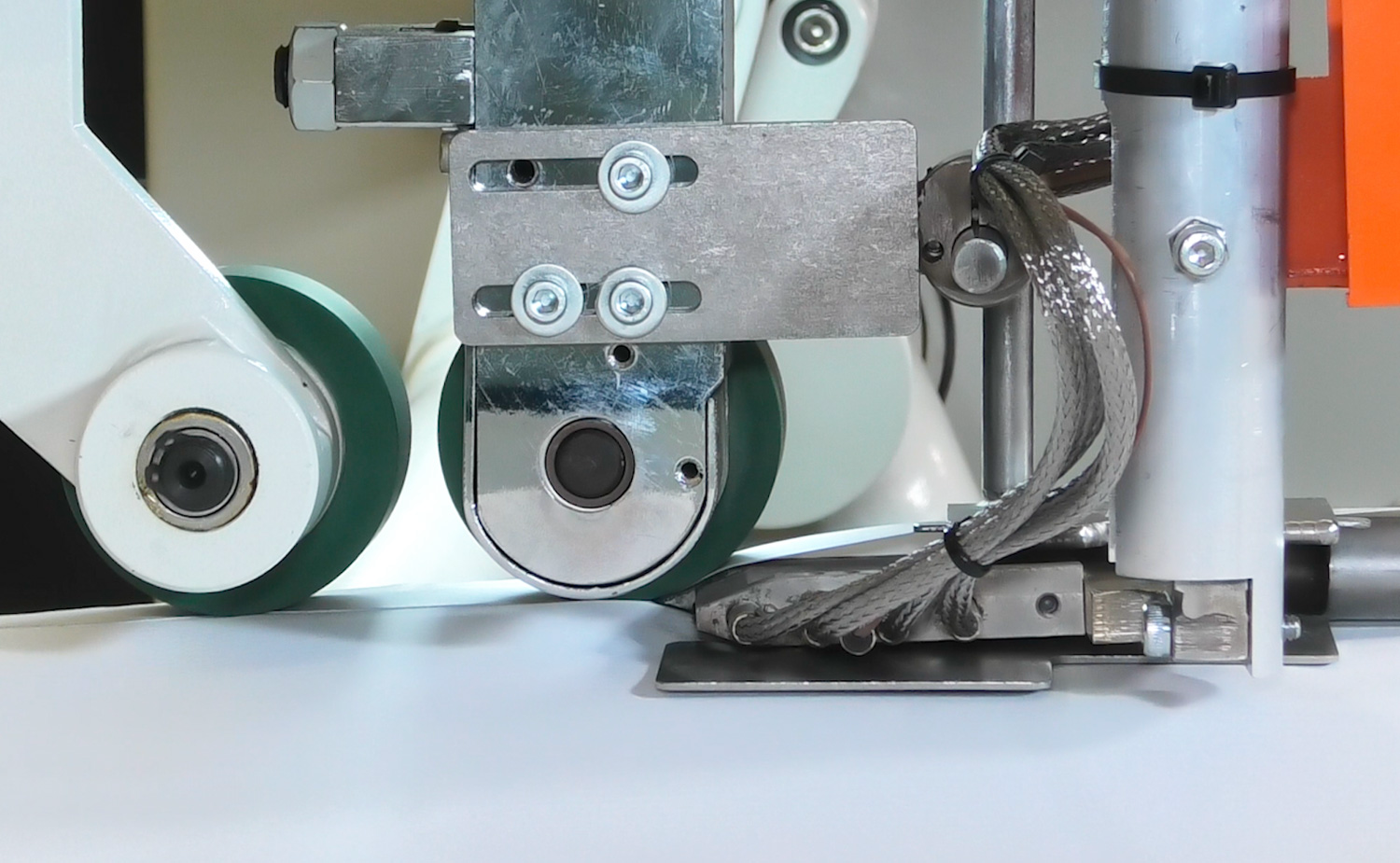
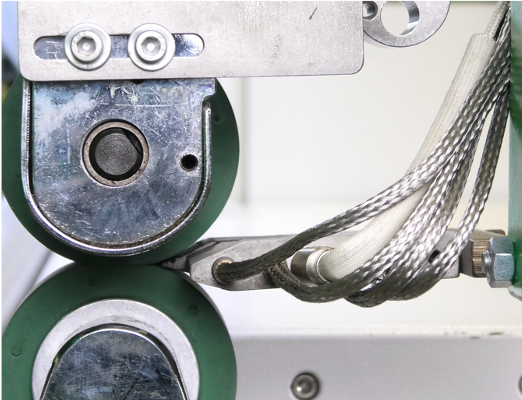
Industrial hot wedge welding uses a heated wedge that is precisely positioned at a weld point fuse and welds together thermoplastic materials. Using dual pressure rollers, the material or film is then pulled across the heated wedge to create a long-lasting seam.
Often paired with industrial hot air welding technology, hot wedge welding reduces costs, improves efficiency and increases overall product quality. Both mend together thermoplastic materials to create airtight and watertight seams, as well as curved and straight seams, to create strong, durable products.
While industrial hot wedge welding provides manufacturers with undeniable benefits, one application may work better than the other. To help you decide whether it’s time to invest in a hot wedge welding solution, we’ve outlined key benefits, applications and more below.
In this guide:
- How hot wedge welding works
- Top benefits of hot wedge welding
- Hot wedge welding applications
- Which materials can be hot wedge welded?
- Hot wedge welding vs. sewing, adhesives, and RF
- Tips for strong hot wedge seams
- Choosing the right hot wedge technology
- Frequently asked questions
How Hot Wedge Welding Works
Hot wedge welding joins two layers of thermoplastic fabric or film with heat and pressure, without thread, needle holes, or adhesives. It happens in three steps:
- Heat: A heated metal wedge sits between the two layers and softens both surfaces by direct contact.
- Press: Pressure rollers right behind the wedge press the softened surfaces together and pull the material through the machine.
- Cool: The seam cools and sets into one airtight, watertight bond.
Because the heat comes from direct contact rather than moving air, hot wedge welding delivers steady heat and runs quietly. Seam quality depends on three settings working together: wedge temperature, travel speed, and roller pressure. See how temperature, speed, and pressure affect PP and PE seams.
Top Benefits of Hot Wedge Welding
Industrial hot wedge welding technology offers specific benefits, dependent on each application. However, this technology is designed to increase production speed, enhance quality and improve overall consistency of products, specifically those that require a long, straight seam.
Consider the following benefits of an industrial hot wedge welding solution
- Increase the lifespan of products. Produce airtight and watertight straight seams to increase longevity of products and materials welded together.
- Construct a product made of very thick fabric. Create sturdy products by welding together multiple layers of materials.
- Enable a quieter work environment. Eliminate noise created during the manufacturing process when equipment is in use.
- Higher speed. Weld at up to 21 m/min (69 ft/min), depending on the machine, material and seam.
Top Hot Wedge Welding Technology Applications
Industrial hot wedge technology is often used to create a product made of films, coated materials, laminated materials and/or in need of a long, straight seam. Products that benefit from hot wedge technology range in size and thickness, but all have the same goal in mind: sturdy and long-lasting materials.
Products that often benefit the most from using hot wedge welding technology are:
Which Materials Are Weldable Using Hot Wedge Technology?
When evaluating your welding needs, it’s also crucial to determine if your materials are weldable using hot wedge welding technology. Industrial thermoplastic fabrics and films are typically ideal for hot wedge welding, including:
- Polyurethane (PU)
- Polypropylene (PP)
- Polyvinylchloride (PVC)
- Polyethylene (PE)
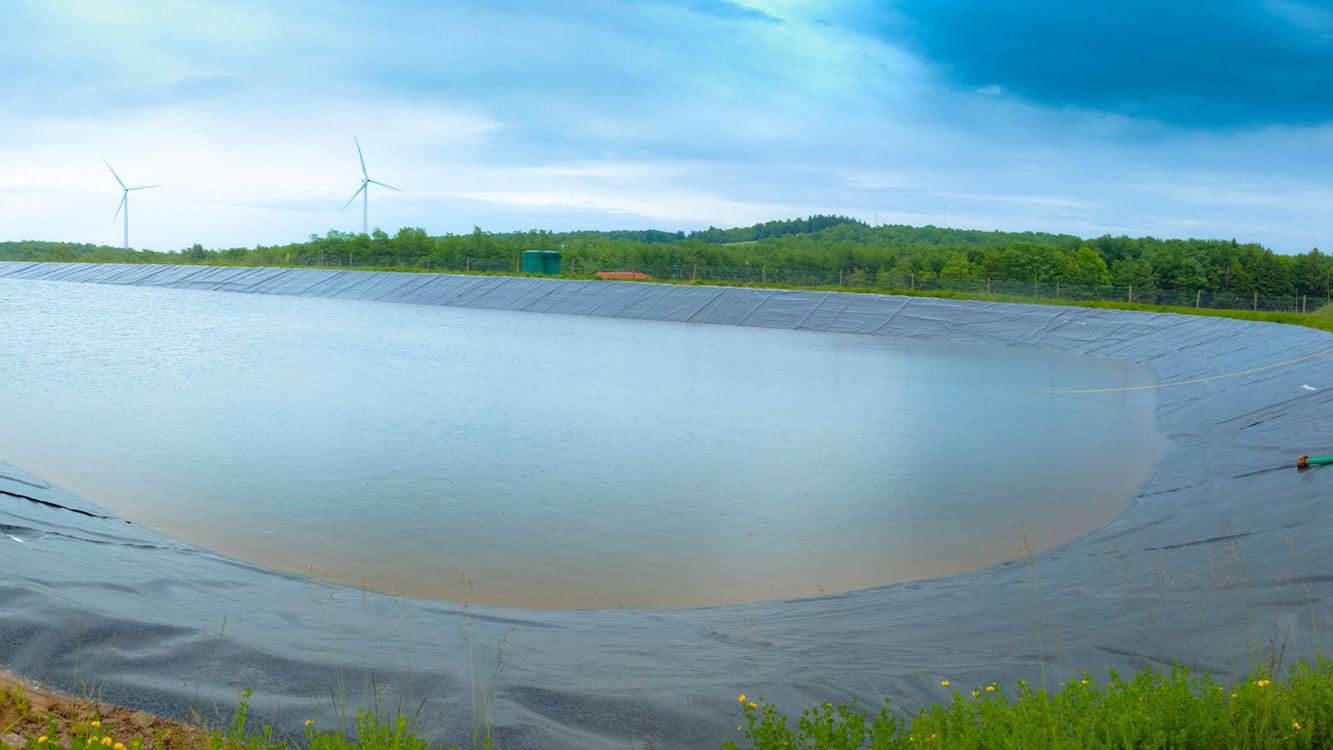
Hot wedge welding is generally not suitable for nonwoven geotextiles. For pond, landfill, and containment liners, see hot wedge welding for geomembranes and liners.
Hot Wedge Welding vs. Sewing, Adhesives, and RF
Here is how hot wedge welding compares with other ways to join industrial fabrics:
| Method | Strengths | Limits |
|---|---|---|
| Sewing | Familiar, low upfront cost | Needle holes can leak, and thread wears over time |
| Adhesive bonding | Works on complex shapes | Curing time slows production |
| RF welding | Complex patterns and selective bonding in PVC and polyurethane | Only RF-suitable materials; higher equipment cost |
| Hot wedge welding | Fast, airtight, watertight seams; cost-effective for long, straight seams and large-format materials | Needs welding equipment; best suited to straight seams |
Choosing between the two most common heat welding methods? Compare hot wedge vs. hot air welding.
Tips for Strong Hot Wedge Seams
Prepare the Material
- Clean: Remove dirt, dust, and oil that could interfere with bonding.
- Align: Line up the fabric layers so the seam runs straight and even.
- Test: Weld samples to find the right temperature and speed before production.
Fine-Tune the Process
- Adjust for thickness: Thicker materials usually need slower speeds and more heat.
- Keep pressure even: Even roller pressure gives a uniform seam.
- Check as you go: Inspect seams during production to catch defects early.
Avoid Common Mistakes
- Wrong temperature: Too much heat damages the material; too little leaves a weak bond.
- Skipped maintenance: Clean and inspect the wedge and rollers regularly.
- Too little training: Well-trained operators make fewer errors.
How to Determine Which Hot Wedge Technology Is Right for Your Processes, Product or Application
Finding the right industrial hot wedge solution will depend on a variety of factors, such as materials, existing processes and current equipment. When vetting your available technology options, work closely with an experienced industrial welding expert to meet your goals and customize your solution.
Consider the following technology options during your vetting process:
- T3 Extreme. This welder produces all the seams required for a banner and sign maker and is designed with the smaller business in mind.
- T300 Extreme Flex. As a universal welder, this technology uses hot air and hot wedge technologies with an array of seam types.
- T300 Extreme Shade. With this welder’s straightforward design, it controls consistent and easy product construction.
- T600 Extreme Flex. This technology uses hot air or hot wedge welding solutions with an array of seam types and extended fabric handling support for consistent, easy product construction with efficient and straightforward design and controls.
- Triad Extreme Universal. A portable hot wedge welder that runs at about 10 m/min (33 ft/min) and welds either stationary or traveling on a tabletop track.
When evaluating technology options, also ask yourself and your manufacturing partner the following questions:
- What types of thermoplastic materials are weldable using hot wedge welding?
- Will a hot wedge welding solution work with my existing equipment? Or does it require a complete overhaul?
- Are my products in need of a long, straight seam?
- What is my product output goal?
- Do my products contain film?
- Am I looking to reduce noise created during the manufacturing process?
- Do I need to combine multiple technologies to amplify my manufacturing process (automation, hot air, hot wedge)?
Ready to Learn More About Industrial Hot Wedge Technology?
Interested in learning more about hot wedge welding solutions? Speak with a Miller Weldmaster expert for more information about the best system for your application.