Industrial sewing is a manufacturing process that uses heavy-duty machines designed for continuous production—not craft or apparel work. These machines are built to handle technical fabrics, multi-layer materials, and high-throughput environments where consistency, durability, and repeatability matter. Over the decades, the industry has seen significant evolution, resulting in advanced machine features and more versatile equipment to meet the changing demands of industrial applications.
This technology serves manufacturers across filtration, sign finishing, awnings, shelters, and other industrial fabric applications—along with production engineers evaluating automation and seam performance. Modern industrial sewing machines are built for heavy-duty technical fabrics such as canvas, coated textiles and multi-layer materials.
Industrial Sewing in 60 Seconds
- Industrial sewing creates seams using thread-based mechanical stitching rather than heat or fusion.
- It is widely used in filtration, signage, awnings, and technical textile manufacturing.
- Unlike welding, sewing does not require thermoplastic materials and works across a broader range of substrates, making it suitable for materials such as cotton and canvas.
- Machines are built for continuous-duty production with programmable control and precision stitching.
- Miller Weldmaster focuses on industrial sewing solutions tailored specifically for technical fabric applications—not apparel production.
What Is Industrial Sewing Technology?
Industrial sewing technology refers to high-duty-cycle machines engineered for production environments. These systems use servo-driven motors, programmable stitch control, and continuous operation to deliver consistent seams at scale—far beyond the capabilities of domestic or commercial sewing machines.
At the joint level, industrial sewing creates a mechanical connection using thread, while fabric welding produces a thermally fused bond at the molecular level. The right method depends on the material and the seam’s required performance—strength, flexibility, or impermeability.
At Miller Weldmaster, industrial sewing is applied specifically to technical and industrial fabric applications such as filtration systems, signage, awnings, and shelter structures. Industrial machines are selected for their power and ability to handle a wide range of technical fabrics.
How Industrial Sewing Machines Work
Industrial sewing follows a structured production process: material is fed through the machine, the needle penetrates the fabric, stitches are formed and secured, thread tension is controlled, and excess thread is trimmed. Feed dogs play a crucial role in moving the fabric through the machine, and the form of each stitch is influenced by machine settings such as stitch length and type. Each step is engineered for speed and repeatability in a production setting.
Modern machines use servo motors instead of older clutch motors, enabling precise speed control, lower energy consumption, quieter operation, and smoother handling of heavy or layered materials. Pressure foot adjustments and advanced feed mechanisms, such as needle feed and bottom feed, help manage different materials and ensure consistent stitch quality.
Programmable stitch pattern storage transforms sewing into a scalable production tool—allowing rapid changeovers, consistent seam output, and reduced reliance on operator skill. Compared to traditional manual operation, automated systems significantly reduce manual intervention, increasing efficiency and consistency.
Stitch Types Used in Industrial Sewing
- Lockstitch: The most common industrial stitch, using a top and bottom thread to form a strong, consistent stitch. Widely used in filtration bag construction and structural seams.
- Chainstitch: A flexible stitch that allows movement and stretch, ideal for shelter panels and applications where material expansion is expected.
- Overedge (serging): A stitch that finishes raw edges while preventing fraying, commonly used in banner hems and textile finishing.
Stitch type is a functional decision—determined by seam strength, flexibility, and finishing requirements before machine selection begins.
Automation Levels: Semi-Automatic vs. Fully Automatic
Semi-automatic machines rely on operator guidance for material positioning and seam direction, making them ideal for varied production runs and changing product sizes—like sign finishing shops.
Fully automatic systems execute programmed stitch paths with minimal operator input, making them ideal for high-volume, repeatable production—such as filtration bag manufacturing.
For example, a filtration manufacturer producing one product at scale benefits from full automation, while a shop producing custom banners benefits from semi-automatic flexibility.
Types of Industrial Sewing Machines
Industrial sewing machines are selected based on stitch type, material characteristics, and seam geometry—not price tier or brand category. Thick, heavy and multi-layer technical fabrics need machines with reinforced components and powerful motors. Miller Weldmaster machines are purpose-built for technical fabric production, which directly shapes their configurations and capabilities.
Machine bed style also matters: flat bed machines handle wide or flat materials, cylinder bed machines let tubular items rotate around the bed, and long-arm machines provide a large workspace for heavy-duty stitching on large items like sails and tents.
Depending on their specifications, industrial sewing machines handle materials from lightweight synthetics to heavy coated and multi-layer fabrics.
Lockstitch Sewing Machines
Lockstitch machines create a two-thread interlocking seam that is strong, consistent, and widely used in industrial fabric applications. They are commonly specified for filtration bags, awning panels, shelter flooring, and CIPP liners.
Key setup variables include needle size, thread weight, and tension calibration—especially when working with coated versus uncoated materials.
Overedge and Safety Stitch Machines
Overedge machines sew along the material edge, preventing fraying and producing a finished seam in a single pass. This makes them essential for sign finishing, SEG fabric applications, and banner production.
Safety stitch machines combine lockstitch and overedge stitching in one pass—delivering both structural strength and edge finishing where required.
Automated Pattern Sewing Systems
Pattern sewing systems execute programmed, multi-directional stitch paths automatically—without operator repositioning. These systems are used for bartacking, reinforcement stitching, and complex seam geometries.
For example, automated bartacking reinforces webbing on filtration bags, while pattern stitching strengthens awning corners. Stored stitch programs let one system switch between product types quickly.
How to Choose the Right Industrial Sewing Machine for Your Application
Machine selection starts with the seam—not the machine. Stitch type, material, and seam geometry determine the correct configuration before speed or cost should be considered. It is also essential to evaluate the features of each machine, such as stitch range, speed, and safety options, and to ensure the equipment suits the specific fabrics involved, such as coated textiles, canvas, non-woven felts and multi-layer materials.
Installation, operator training, service and spare parts access are also important considerations in the selection process.
Step 1 — Define the Stitch Requirement
The stitch type is determined by what the seam must do—carry load, allow stretch, prevent fraying, or finish an edge. This decision defines the machine category from the start. The form of the stitch is also crucial, as proper stitch formation ensures seam strength and quality. For applications requiring flexibility, the chain stitch is often used due to its ability to stretch without breaking.
Step 2 — Match Feed Mechanism to Material
Material type and thickness determine the feed system. Technical fabrics often require walking foot or needle feed mechanisms—standard drop feed systems can cause seam defects. The feed dogs play a crucial role in moving fabric through the machine, and adjusting the pressure of the presser foot ensures consistent feeding and optimal stitch quality, especially when working with varied materials or multiple layers.
Step 3 — Set the Automation Level
Production volume and consistency drive automation decisions. High-volume, repeatable products benefit from full automation, while varied production requires semi-automatic flexibility. Automation reduces the need for manual intervention, increasing consistency and efficiency.
Step 4 — Evaluate Production Line Integration
Consider how the machine fits into your full production line—including cutting, conveying, and finishing. Miller Weldmaster machines are designed for seamless integration or standalone operation.
Industrial Sewing vs. Fabric Welding: Which Method Fits Your Application?
Both sewing and welding create seams in flexible materials—but the right method depends on material type, seam function, and production requirements. Miller Weldmaster offers both technologies, allowing recommendations based on application—not product. Costs, including equipment investment and ongoing operational expenses, are also important factors to consider when choosing between sewing and welding methods.
| Industrial Sewing | Fabric Welding (Hot Air, Hot Wedge, RF) | When Manufacturers Use Both |
| Mechanical stitched seam using thread | Thermally fused bond at the molecular level | Hybrid products requiring both strength and sealing |
| Works on non-thermoplastics and layered materials | Requires thermoplastic materials | Example: welded panels with sewn reinforcements |
| Flexible and repairable seams | Airtight and watertight seams | Structural + sealing requirements combined |
| Ideal for complex assemblies | Ideal for sealed or coated fabrics | Multi-process production lines |
Industrial Sewing Applications: Where This Technology Is Used
Industrial sewing is required when materials are non-thermoplastic, when seam geometry is complex, or when assembly cannot be achieved through welding. This makes it essential across many technical fabric applications.
Miller Weldmaster focuses specifically on industrial and technical textiles—not apparel—ensuring solutions are aligned with real production demands.
Common Applications
- Sign finishing and digital textiles: SEG hemming, banner finishing, printed textile seams
- Filtration: Filter bags, dust collector systems, tube sock construction
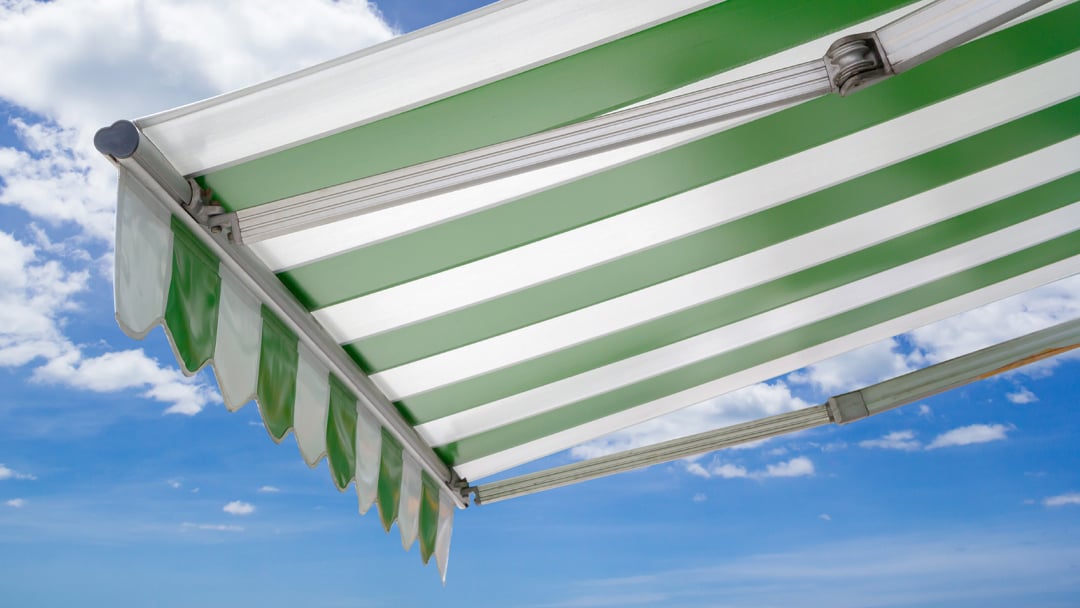
- Awnings and shade structures: Panel joining, rope pockets, reinforcement stitching
- Tents and shelters: Structural seams, door assembly, multi-panel construction
- Technical textiles: CIPP liners, conveyor covers, specialty fabric systems
Miller Weldmaster Automatic Sewing Machines
Miller Weldmaster builds automated sewing systems for sign finishing, filtration and cured-in-place pipe (CIPP) production. A certified field service engineer installs each machine at your facility and trains your staff to operate and maintain it.
DigiTran Automated Sewing Machine
The DigiTran automated sewing machine is a complete sewing solution for the sign industry, built to sew digital textiles with silicone edge graphics (SEG). A conveyor synced with a Dürkopp Adler sewing head moves the material, with hands-free SEG feeding and cutting, programmable back stitch, and single or double lockstitch at up to 10 m/min, depending on the application, seam width and material. It is also used for awnings, banners, gym curtains, marine products, mattresses, pergolas, and shades and tension structures.
Automated Filter Sewing System
The automated filter sewing system adds sewing to a filter tube line, so filtration tubes can be sewn or welded automatically. Miller Weldmaster works with many brands and models of sewing machines and takes each system from initial design to final integration. Typical uses include filtration, tubes and aerospace applications.
CIPP Single or Double Layer Tube Machine
For cured-in-place pipe rehabilitation tubes, the CIPP single or double layer machine sews or welds a roll of fabric into a tube, then applies tape with hot air over the sewn seam to make it waterproof. It can sew or weld two layers at once: non-woven felt on the inside and felt coated with PVC, polyurethane, polyethylene or polypropylene on the outside.
CIPP Double Tube Sewing System
The CIPP double tube sewing system is built for CIPP tube production: flat sheet material and a pre-made tube feed in from existing equipment, and the pre-formed tube is sewn together with a prayer seam.
Choose Miller Weldmaster for Your Industrial Sewing Machine Needs
Miller Weldmaster partners with manufacturers who require industrial sewing for technical fabric applications—while also evaluating when welding may be the better solution.
Every engagement starts with the application: material type, seam requirements, production volume, and automation needs are all assessed before recommending a system.
Why Work With Us:
- Technical Fabric Expertise: Built specifically for industrial textile applications
- Sewing + Welding Solutions: One partner for all fabric joining technologies
- Application-First Approach: Solutions based on your production needs—not a catalog
- Comprehensive Support: On-site installation and staff training by a certified field service engineer, plus service, spare parts and the Service & Resolution Center to keep production running.
 LEARN MORE