The right geosynthetic welding machine depends on your liner material, seam strength requirements, and production environment. Choosing the wrong system leads to weld failure, rework, and rejected liners.
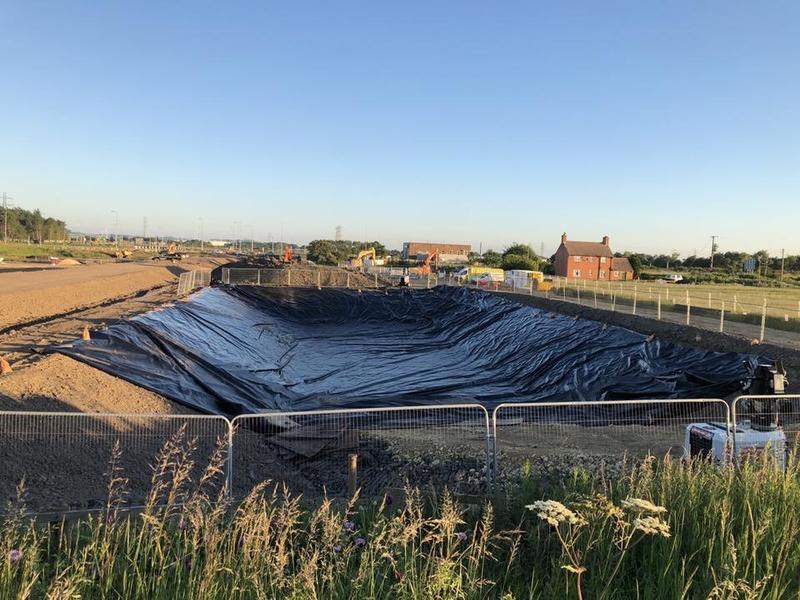
In geosynthetic applications, seam failure is not just a quality issue. It is a project risk, especially in construction and environmental projects where geomembrane welding machines play a crucial role in ensuring environmental protection and project success.A failed weld in a landfill liner, mining containment pond, or irrigation reservoir can result in environmental exposure, regulatory failure, and costly rework. Once a liner is installed, fixing a bad seam is not simple. It often means cutting out sections and re-welding under pressure.
That is why selecting the right geomembrane welding equipment is critical from the start. Careful consideration of key considerations such as technical specifications, project requirements, and safety factors is essential to achieve high quality welding and ensure long-term performance. Learn more about Miller Weldmaster solutions here: https://www.weldmaster.com/industries/geomembranes
This guide walks through how to choose the right machine based on material, application, and production environment so your seams hold the first time.
The global geomembrane market is projected to grow from $2.57 billion in 2024 to $4.24 billion by 2030, reflecting an 8.6% CAGR, while the geomembrane welding equipment market is expected to grow annually by about 5.6% through 2026—driven by increasing demand for high-quality welders, heightened environmental regulations, and the need for effective waste management solutions.
Key Takeaways: How to Match a Welding Machine to Your Geosynthetic Application
- Hot wedge welding is the standard for HDPE geomembranes because it produces strong, testable dual-track seams
- Automated systems reduce labor and improve consistency compared to semi-manual setups
- Weld speed, temperature control, and dual-track capability directly determine seam performance
- Portable machines are designed for field work, while automated systems are built for production environments
- Miller Weldmaster offers systems for both hot air and hot wedge welding across multiple geomembrane materials
- Evaluate key features such as temperature control, speed, and pressure when selecting the right geomembrane welding machine
- Ensure material compatibility with your project material to achieve reliable, durable seams
Selecting the right geomembrane welding machine depends on project scale, material type, and welding complexity. Buyers should prioritize material compatibility, precise parameter control, and durability for harsh worksite conditions.
Why Geosynthetic Weld Quality Is Non-Negotiable
What Happens When a Geomembrane Seam Fails
When a seam fails, the entire system is compromised. Ensuring leak proof seams is critical for long-term containment and environmental protection.
In landfill applications, this can mean containment failure. In mining, it can result in chemical leakage. In irrigation systems, it can cause water loss and structural instability.
Beyond the technical failure, there are real consequences:
- Failed inspections and rejected installs
- Expensive rework and material waste
- Delayed project timelines
- Regulatory compliance issues
Seam integrity typically requires 85% to 98% of the base material's strength, and welding machines should be able to produce seams that meet ASTM D6693 standards.
Once a liner is installed, fixing a seam is significantly more expensive than getting it right the first time.
The Link Between Machine Specification and Seam Integrity
Seam strength is determined by three variables: heat, speed, and pressure. Precise temperature control and proper pressure are essential for achieving strong, reliable welds and maintaining seam integrity.
If a welding machine cannot hold these consistently, seam integrity suffers.
| Seam Failure Type | Root Cause |
|---|---|
| Delamination | Insufficient heat or pressure |
| Incomplete fusion | Speed too high for material thickness |
| Burn-through | Excessive heat or slow speed |
| Edge peeling | Uneven pressure |
| Cold weld | Temperature below fusion range |
A properly specified machine eliminates these variables through controlled automation. Digital displays enable precise, real-time tracking of speed and temperature, while data logging systems provide up to 90% traceability for quality assurance and regulatory audits.
Geosynthetic Welding Methods — Choosing the Right Technology
Different materials require different welding methods. Understanding various welding techniques, welding processes, and welding technology is essential for matching the process to the material, which is the first step in choosing the right machine. Careful consideration of the welding method is crucial, as the selection of a geosynthetic welding machine depends on project scale, material type, and welding complexity.
Hot Wedge Welding — The Standard for HDPE Liner Production
Hot wedge welding uses a heated metal wedge placed between two overlapping sheets, melting their surfaces so pressure rollers can fuse them together. Hot wedge welders, also known as wedge welders, are specialized geomembrane welding machines that use this heated wedge to create strong, sealed joints.
This method produces dual-track seams, which include two weld lines with an air channel between them. This channel allows for non-destructive testing.
Best for:
- HDPE geomembranes
- Landfill liners
- Mining containment systems
- Reservoirs
- Large scale projects
Hot wedge welding offers consistent heat transfer and high production speed. Hot wedge welders dominate 60% of the geomembrane welding market due to their speed and reliability for large-scale projects.
Hot Air Welding — Flexibility for PVC and Complex Seams
Hot air welding uses a stream of heated air to soften the geomembrane surface before applying roller pressure to form strong seams.
It is ideal for:
- PVC geomembranes
- Curved seams
- Patchwork and repairs
- Irregular geometries
While more flexible, it is generally slower for long straight seams compared to hot wedge welding.
Hot air welders are suitable for thinner liners (0.2–1.5 mm) and small projects, comprising 15% of the market use.
Which Welding Method Is Right for Your Application?
Typical welding speeds for large-scale projects can range from 6–12 m/min, while smaller tasks may use 0.5–2.5 m/min.
| Welding Method | Best Material | Best Application | Seam Strength | Production Scale | Field or Factory | Material Type & Thickness |
|---|---|---|---|---|---|---|
| Hot Wedge | HDPE | Long straight seams | High | High-volume | Both | Compatible with various material types; handles thicker materials |
| Hot Air | PVC, thin liners | Curved seams, repairs | Medium | Medium | Both | Best for flexible material types and thinner materials |
| Extrusion | Thick HDPE | Repairs and detailing | High | Low | Field | Specialized for thicker materials and specific material types |
Key Machine Specifications That Determine Weld Performance
The right machine is defined by its specifications, so identifying key considerations when evaluating the best geomembrane welding machines is essential. These directly impact seam quality.
Temperature Range and Precision Control
PID temperature control ensures consistent heat output, making precise temperature settings and the machine's temperature control essential for achieving optimal weld quality and preventing leaks.
Different materials require different temperatures:
- HDPE requires higher temperatures
- PVC requires lower temperatures
Most machines operate between 280°C and 460°C for HDPE, while PVC may require a different welding temperature range of 380–560°C for combi-wedges. Poor temperature control can lead to weak, leaky seams in geosynthetic welding.
Without precise control, seams become inconsistent across long runs. Regularly calibrating the machine to ensure accurate temperature readings is important, as misadjusted equipment can lead to welding issues.
Weld Speed and What It Means for Output
Speed determines productivity, but only when balanced with heat. Welding speed can significantly reduce project timelines and improve efficiency, especially when adjustable speed controls are used to accommodate various material thicknesses.
- Too fast = weak weld
- Too slow = material damage
Automated systems maintain this balance consistently.
Dual-Track vs. Single-Track Seam Configuration
A dual-track weld creates two bonded seams with an air channel between them, enabling air channel testing as a non-destructive method for verifying seam integrity.
This allows:
- Non-destructive testing
- Compliance with industry standards
- Higher confidence in seam integrity
Most containment applications require dual-track seams. Machines should allow for ASTM D7177 air channel testing to detect defects in seams.
Drive System and Pressure Consistency
A consistent drive system ensures uniform pressure, and having proper pressure with adjustable pressure settings is crucial for achieving tight, strong welds.
Motorized systems outperform manual ones by:
- Maintaining consistent force
- Reducing operator variability
- Improving seam width consistency
Machine Form Factor — Portable vs. Automated
| Machine Spec | Why It Matters | What to Ask |
|---|---|---|
| Temperature Control | Ensures consistent fusion | Does it use PID control? |
| Weld Speed | Impacts throughput | What is real-world speed? |
| Dual-Track Capability | Enables QA testing | Can it produce dual-track seams? |
| Drive System | Controls pressure | Is it self-propelled? |
| Form Factor | Determines application | Field or factory use? |
| Material Range | Ensures compatibility | What materials can it handle? |
Portable Field Welders vs. Automated Factory Systems
When a Portable Welder Is the Right Choice
Portable machines are used for:
- Field installations
- On-site repairs
- Smaller production runs
They are:
- Easy to transport
- Operated by small crews
- Compatible with generators
When an Automated System Pays for Itself
Automated systems are ideal for:
- High-volume production
- Long seam runs
- Consistent output requirements
Benefits include:
- Reduced labor
- Higher throughput
- Improved quality consistency
| Use Case | Recommended Approach | Key Reason |
|---|---|---|
| Field installation | Portable welder | Mobility |
| Factory production | Automated system | Throughput |
| Large containment | Automated | Consistency |
| Repairs | Portable | Flexibility |
| Small runs | Portable | Lower cost |
| Municipal projects | Automated | Spec compliance |
Materials Your Welding Machine Must Handle
HDPE Geomembrane
HDPE geomembrane is the most common material.
- Used in landfills and mining
- Requires high heat
- Typically welded with hot wedge
LLDPE Geomembrane
More flexible than HDPE.
- Used in irregular terrain
- Lower weld temperature
- Works with both hot air and wedge
PVC Geomembranes
PVC requires lower heat and more precision.
- Used in ponds and irrigation
- Best suited for hot air welding
Learn more about Miller Weldmaster hot air systems: https://www.weldmaster.com/technology/hot-air-welding
And hot wedge systems: https://www.weldmaster.com/technology/hot-wedge-welding
Weld Quality Testing — What Passes and What Fails
Destructive vs. Non-Destructive Testing
Destructive testing involves cutting a sample and testing strength.
Non-destructive testing uses air pressure in dual-track seams.
Both are required for many applications.
Seam Width Standards
Seam width must meet project specifications.
Inconsistent machines produce:
- Uneven seams
- Failed inspections
- Rework
Consistency across the entire seam is critical.
Miller Weldmaster Geosynthetic Welding Equipment — What Fits Your Application
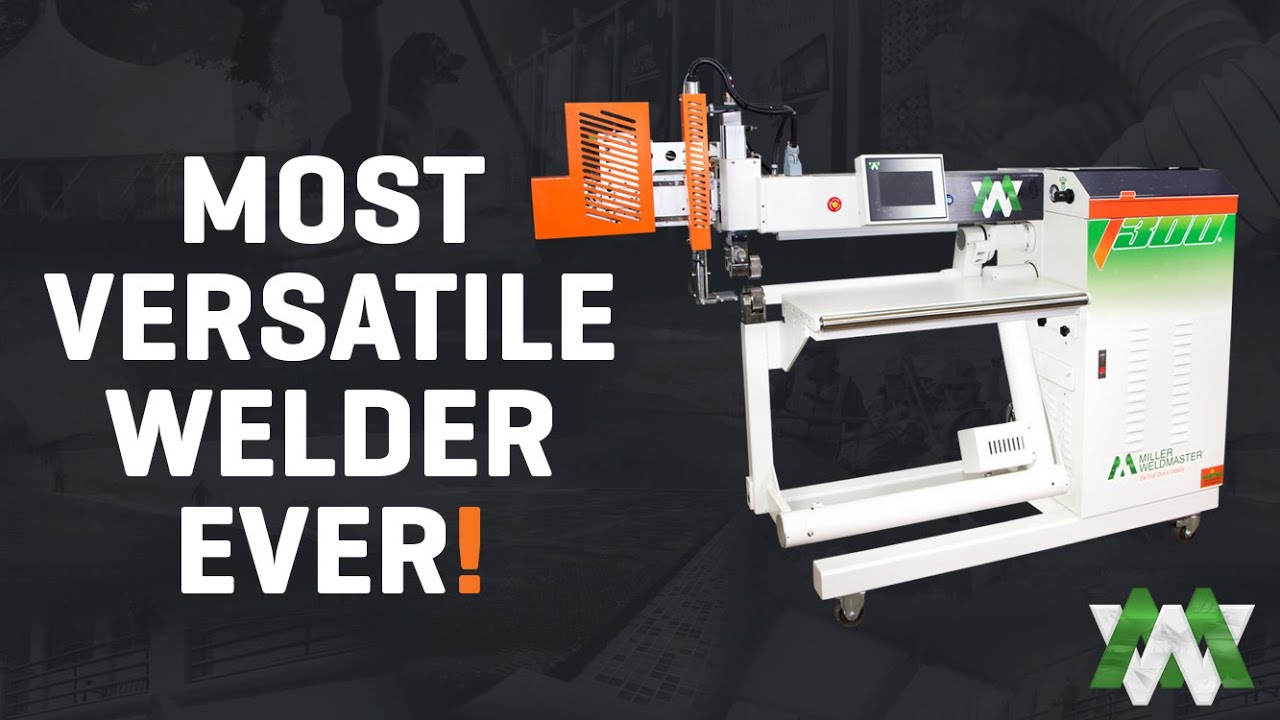
Miller Weldmaster provides geomembrane welding machines for a range of applications. When considering a purchase, it's essential to consult geomembrane welding machine reviews to compare features, specifications, and user experiences, helping you select the best geomembrane welder for your specific project requirements.
Additionally, choosing a machine backed by strong technical support is crucial for reliable maintenance and effective troubleshooting throughout your project.
Hot Air Systems
Best for:
- PVC liners
- Repairs and detailing
- Flexible applications
Hot Wedge Systems
Best for:
- HDPE production
- Dual-track seams
- High-strength applications
Automated Systems
Best for:
- High-volume liner fabrication
- Consistent production
- Reduced labor cost
Explore options here: https://www.weldmaster.com/machine-overview
Need help choosing? Contact sales:
https://www.weldmaster.com/contact-sales
Total Cost of Ownership — What the Machine Price Doesn’t Tell You
Labor Cost Reduction
Automated systems reduce labor per square meter.
This improves margins over time.
Rework Cost
A poor machine choice leads to:
- Failed seams
- Material waste
- Project delays
Reliable equipment reduces these risks.
For support: https://www.weldmaster.com/contact-service
Frequently Asked Questions About Geosynthetic Welding Machine Selection
What is the best welding method for geomembrane liners?
Hot wedge welding is the most widely used method for HDPE geomembranes because it produces strong, consistent seams and supports dual-track testing. Hot air welding is better suited for PVC materials and repair applications. The best method depends on material and application.
What is the difference between hot wedge and hot air welding for geosynthetics?
Hot wedge welding uses a heated metal wedge for consistent heat transfer and is ideal for long seams. Hot air welding uses heated air and is better for flexible materials and curved seams. Hot wedge typically provides stronger seams for containment applications.
How do you test the strength of a geomembrane weld?
Destructive testing measures tensile and peel strength by cutting a sample. Non-destructive testing uses air pressure in dual-track seams. Both are commonly required for quality assurance.
What materials can be welded with a geosynthetic welding machine?
Most machines weld thermoplastic materials such as HDPE, LLDPE, and PVC. Each requires different temperature ranges and welding methods.
What factors affect geomembrane weld quality?
Temperature, speed, pressure, surface cleanliness, and environmental conditions all impact weld quality. Proper machine control minimizes these variables. Additionally, proper maintenance of geomembrane welding equipment—including regular checks, cleaning, and calibration—is essential for longevity and consistent performance. Maintenance tips such as keeping welding tips clean to prevent poor weld quality, conducting regular inspections, and ensuring timely repairs are crucial. Proper storage of equipment in a dry place, away from extreme temperatures or moisture, also helps prevent material deterioration and extends the life of your machinery.
How fast does a geomembrane welding machine work?
Most machines operate between 1.5 and 4 meters per minute depending on material and thickness. Automated systems operate at higher consistent speeds than portable units.
What is a dual-track weld and why does it matter?
A dual-track weld creates two bonded seams with an air channel between them. This allows non-destructive testing and is required for many containment applications.
Can geomembrane welding machines be used in the field?
Yes. Portable machines are designed for field use, while automated systems are designed for factory production. The application determines the right choice.