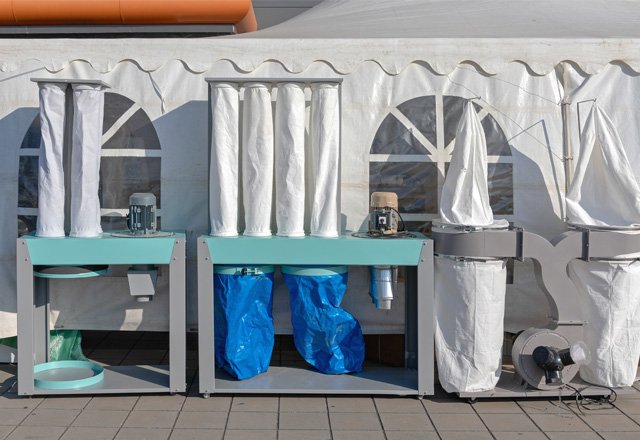
As global demand for cleaner air continues to rise, manufacturers are under increasing pressure to improve the performance, consistency, and scalability of their filtration products. In 2026, filter bag welding has become a core manufacturing strategy for producers of dust collector bags, baghouse filters, and filter tubes made from non-woven filter fabrics. Manufacturing facilities in 2026 are increasingly utilizing welded filter bags for enhanced purity and operational efficiency. Bag filters are a common air pollution control device used in welding areas, efficiently trapping dust and particulate matter to maintain air quality.
Driven by industrial filtration trends and stricter environmental regulations, manufacturers are moving away from traditional sewn seams toward automated welding processes that deliver stronger joints, lower leakage rates, and higher production efficiency. Making informed choices about the manufacturing process and considering the specific needs of each welding operation is essential for optimal results. Modern filter bag machines now allow producers to meet growing market demand while maintaining compliance and long-term product reliability. Learn more about industrial filtration applications and advanced filter bag welding solutions by visiting our dedicated filtration industry page.
Key Insights into Filter Bag Welding
Automated filter bag welding replaces sewn seams with heat-welded joints that are stronger, more consistent, and resistant to air and particulate leakage. Key benefits include:
- Enables faster production of non-woven filter bags and tubes
- Improves durability and performance of filter products
- Allows manufacturers to scale output efficiently
- Reduces failure rates in filter bags
- Helps meet compliance standards without sacrificing quality
Welded filter bags are especially beneficial for chemical and petrochemical processing of corrosive fluids, power generation applications for removing fly ash and particulates from flue gases, and are preferred in high-precision environments such as pharmaceuticals and food/beverage industries.
Welded seams provide zero particle bypass, are hermetic, and create a continuous structure that ensures all fluid or gas passes through the intended filter media. Welding eliminates the risk of contamination from threads or adhesives that can degrade over time, and is more compatible with biodegradable materials like PLA due to precise melt control during the welding process.
Welded joints often have higher burst strength and better mechanical resistance than stitched seams. Welding eliminates stitching, preventing bypass, shedding, and contamination in filtration systems. Welded bags also ensure consistent particle retention in coatings, inks, and paints applications.
Why Filter Bag Welding Is Replacing Sewing in Industrial Filtration
How Welded Seams Differ Mechanically from Sewn Seams
Welded seams are created by applying controlled heat and pressure to fuse materials together at a molecular level. Unlike sewing, which relies on thread penetrating the fabric, welding forms a continuous bond across the seam.
This mechanical difference improves seam integrity by eliminating needle holes, distributing stress evenly along the joint, and reducing localized failure points. Non-woven filter fabrics respond particularly well to welding because they soften and bond uniformly under controlled heat, producing a consistent and durable seam structure.
Leakage Risks Associated with Sewn Filter Bags
Sewn filter bags introduce inherent leakage paths through stitch holes. Over time, these openings can allow fine dust particles to escape, reducing filtration efficiency and increasing pressure loss within the system.
For baghouse filters and dust collector bags, even minor leakage can lead to emissions issues, increased maintenance cycles, and compliance risks. Welded seams remove these penetration points, creating a more airtight structure that supports long-term system performance.
How Environmental Regulations in 2026 Are Shaping Filter Manufacturing
Why Tighter Air Quality Standards Demand Better Seam Integrity
With environmental regulations in 2026 placing stricter limits on allowable particulate emissions, seam performance is crucial for meeting these standards, as even small failures can compromise overall filtration efficiency.
Poor seam integrity undermines the effectiveness of high-quality filter media. As a result, manufacturers are prioritizing welded seams that reduce leakage tolerance and improve system reliability.
The Role of Welded Filter Bags in Compliance Audits
Automated welding systems provide repeatable, traceable production results—an advantage during compliance audits. Consistent seam quality simplifies validation processes and reduces variability between production runs.
In regulated environments, repeatability matters. Welding allows manufacturers to document process settings and ensure uniform performance across large volumes of filter bags.
Additionally, automated welding systems help manufacturers maintain compliance and safe working environments by ensuring consistent production quality.
How Automated Filter Welding Improves Production Speed and Consistency
What Automated Filter Production Looks Like in Practice
Automated filter production typically begins with a controlled fabric feed, followed by precision welding of seams to form filter tubes or finished bags. Manual handling is reduced, and operators focus on monitoring process parameters rather than performing repetitive tasks.
As filtration market growth accelerates, automation enables manufacturers to increase output without proportionally increasing labor or variability.
Throughput Limits of Sewing Compared to Welding Systems
Sewing systems are constrained by operator speed, thread handling, and frequent adjustments. Welding systems, by contrast, operate at consistent cycle times with fewer interruptions.
As demand scales, welding systems offer a clearer path to higher throughput, reduced variability, and predictable production planning.
Welding Non-Woven Filter Fabrics Without Compromising Performance
How Heat Welding Interacts with Common Filter Media
Heat welding works by causing thermoplastic fibers within non-woven filter fabrics to melt and bond under pressure. When properly controlled, this process preserves airflow characteristics while strengthening seam areas.
Concerns about fabric damage are addressed through precise temperature, dwell time, and pressure control—ensuring bonding occurs without degrading filtration performance.
When Welding Is Not Appropriate and Why
Welding is not suitable for all materials. Certain high-temperature or chemically resistant fabrics may not respond to heat bonding and may still require sewing or alternative joining methods.
Being transparent about these limitations helps manufacturers select the right process for each application and maintains product credibility. The suitability of filter bag welding depends on the specific material properties and application requirements.
Producing Filter Tubes and Bags at Scale for Baghouse Systems
Why Filter Tube Welding Is Critical for Long Baghouse Filters
Long filter tubes experience higher seam stress due to airflow dynamics and weight. Welded seams provide continuous structural support along the tube length, reducing the risk of separation or distortion.
This structural stability is especially important in large baghouse systems where filter integrity directly affects system efficiency.
Consistency Requirements in Dust Collector Bags
Inconsistent seams can cause uneven airflow, premature wear, and reduced system performance. Automated welding ensures uniform seam width, strength, and placement across every bag.
This consistency supports predictable performance and simplifies system maintenance planning.
Where Miller Weldmaster Fits in Modern Filter Bag Welding
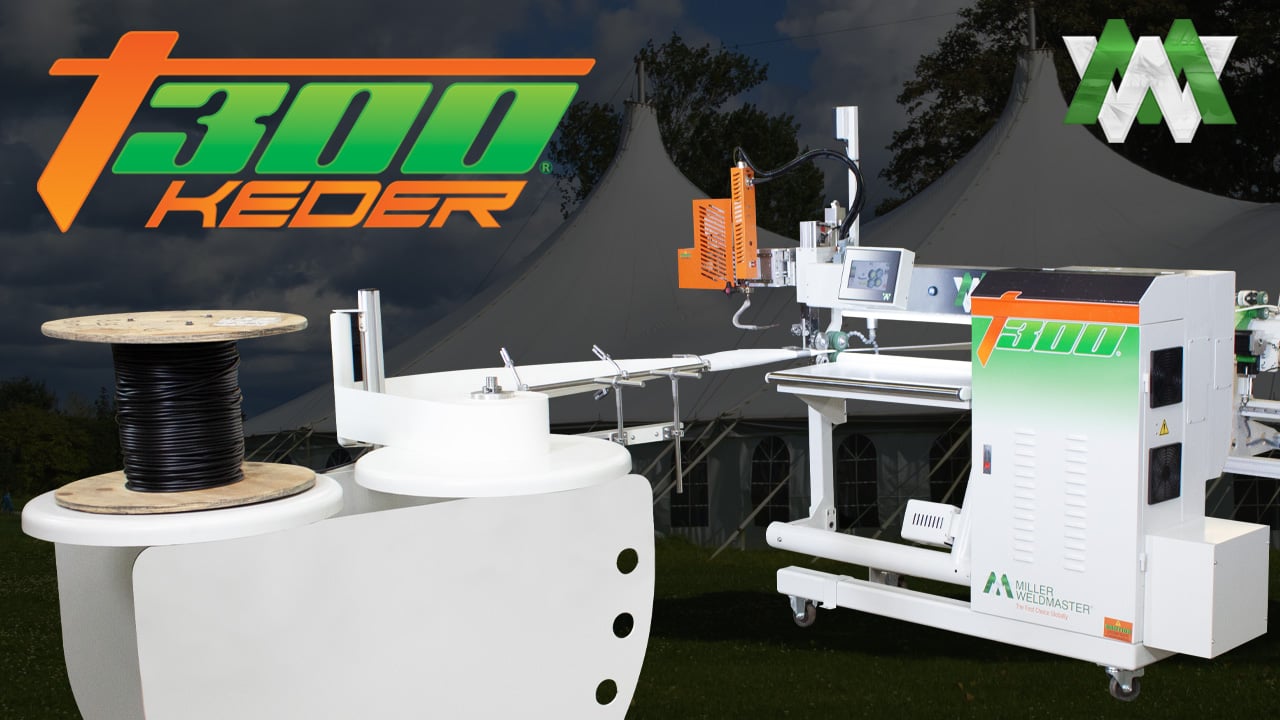
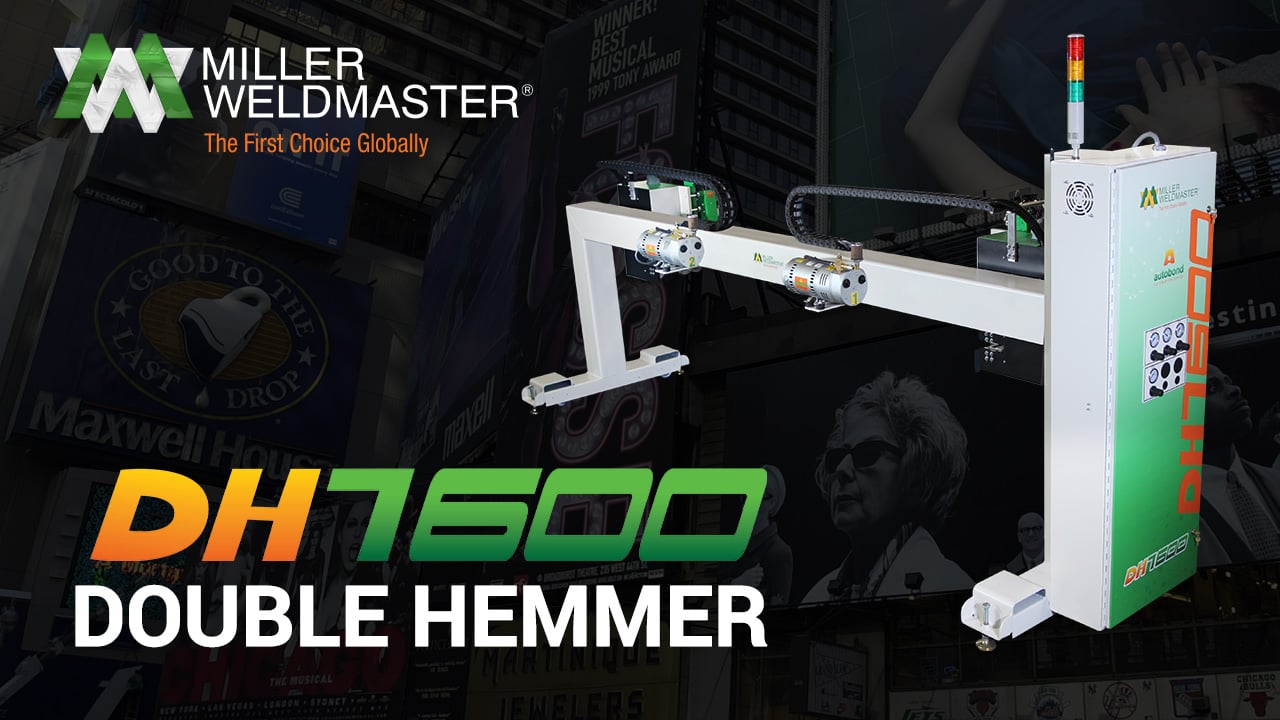
Miller Weldmaster equipment is designed specifically for industrial filtration applications, ensuring optimal performance and reliability. The company is committed to helping clients maintain safe and compliant work environments through tailored solutions. Their welding and filtration systems are engineered to fit the unique size, shape, and production requirements of each customer. With extensive experience in automation and fabric welding, Miller Weldmaster’s team can help customers choose the most suitable welding and filtration solutions for their needs, supporting manufacturers producing filter bags, filter tubes, and non-woven filtration products.
Its equipment is applied where consistency, repeatability, and scalable production are required, helping manufacturers align their processes with modern filtration demands.
Frequently Asked Questions About Filter Bag Welding
How can filter bag welding improve filter durability?
Welded seams distribute stress evenly and eliminate stitch holes, reducing fatigue and extending service life. Improved durability leads to longer replacement cycles and lower maintenance costs.
Is filter welding better than sewing for non-woven filters?
For many non-woven filters, welding offers superior seam integrity, reduced leakage, and better consistency. Sewing may still apply where materials are not thermally bondable.
What is the best way to fabricate filter tubes for baghouses?
The best approach prioritizes seam integrity and length consistency. Welding provides continuous seams that support airflow stability and structural strength.
Can automated filter welding keep up with filtration market growth?
Yes. Automation allows manufacturers to scale output without adding proportional labor, addressing both demand growth and workforce constraints.
Does welded filtration equipment support sustainability goals?
Welded seams reduce failure rates and scrap, lowering material waste and rework. Improved durability also reduces replacement frequency, supporting more efficient resource use.