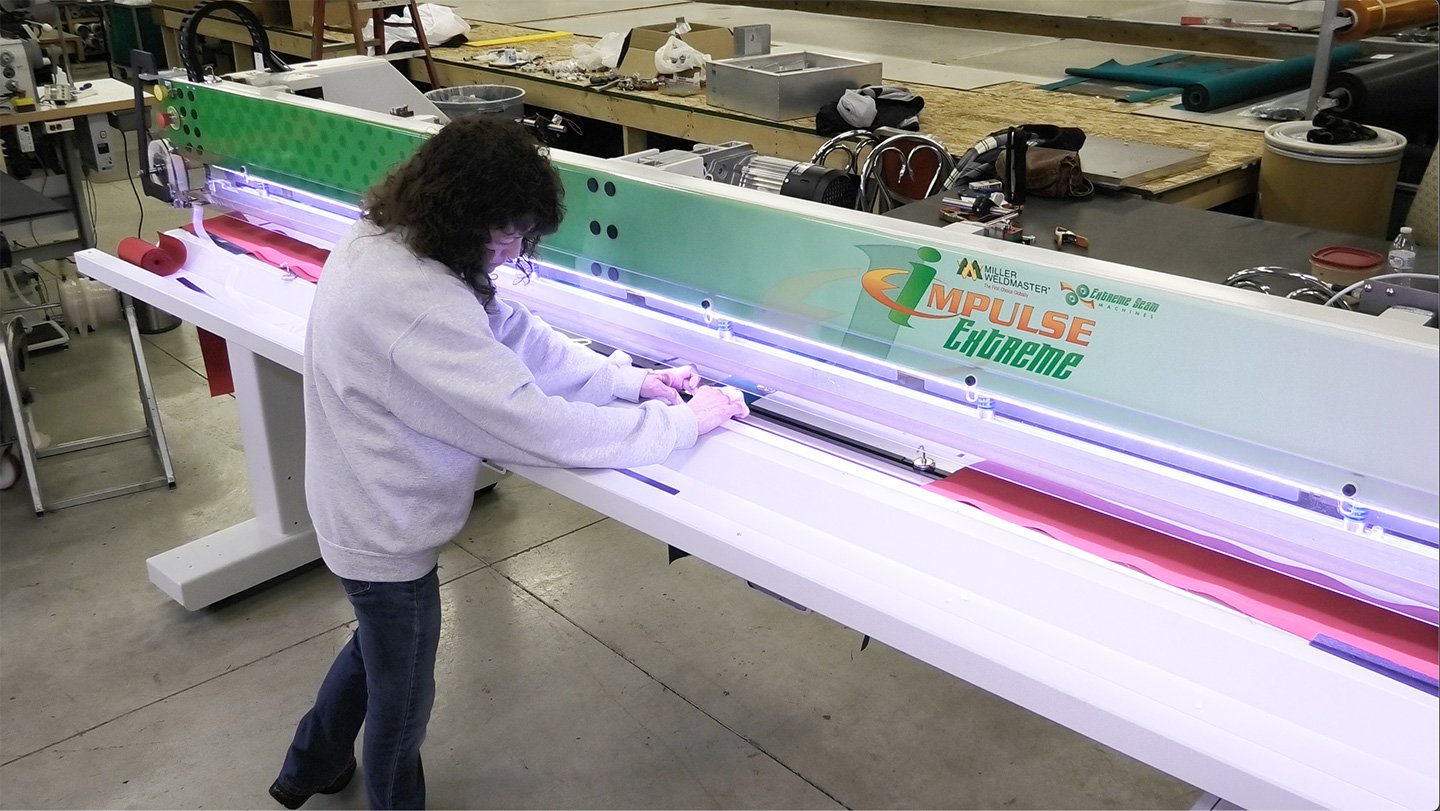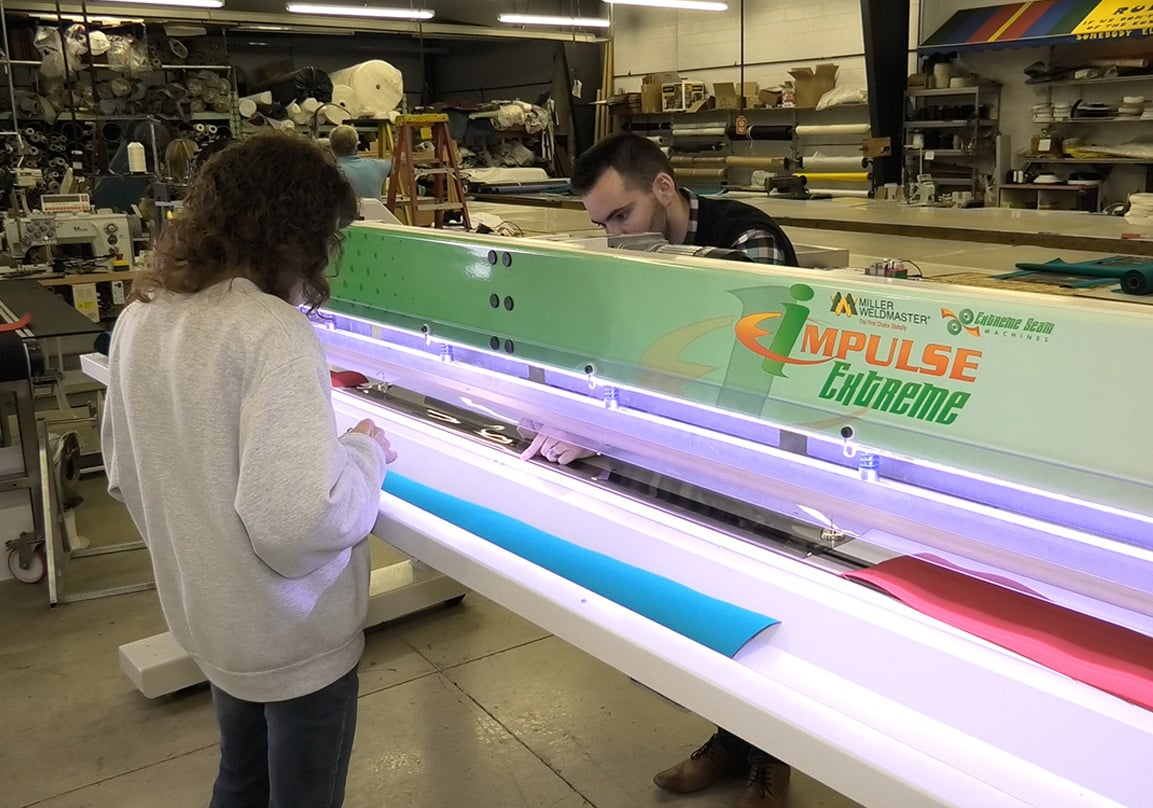
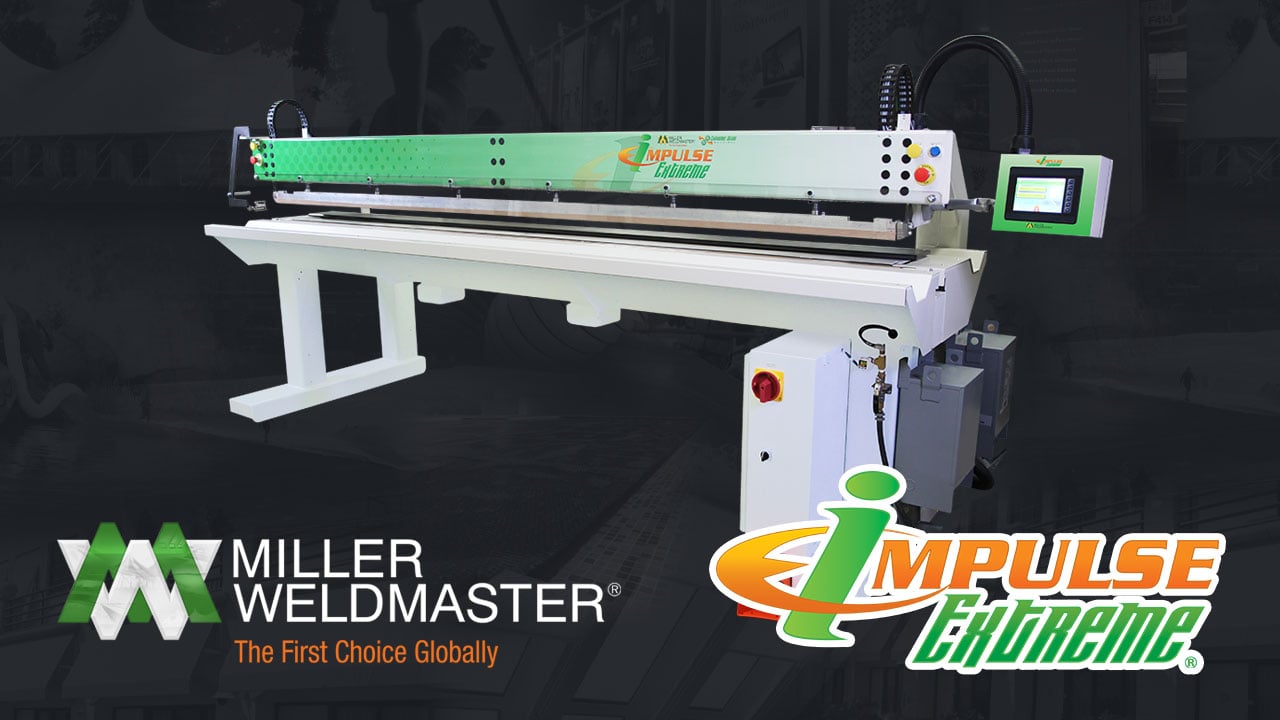
A sterile barrier only works if its seal never fails—because even a microscopic breach can compromise patient safety, regulatory compliance, and product integrity before a product is ever used. Impulse welding healthcare packaging is a sealing process that uses short, controlled bursts of heat and pressure to fuse thermoplastic materials into consistent, repeatable seals for sterile pouches, bags, and trays. Unlike continuous heat methods, impulse welding applies heat only during the sealing cycle, then cools, which helps maintain tight control over seal quality while supporting sterile barrier sealing technologies like radio frequency welding.
For healthcare packaging manufacturers, quality assurance professionals, and production engineers evaluating reliable sealing methods for sterile medical products, this article explains how impulse welding works, where it fits against other sealing methods, which materials it can seal, how it is validated under ISO 11607, and how it integrates into healthcare packaging production lines.
Key Takeaways
- Impulse welding uses a heat-then-cool cycle, applying energy only during the weld to protect sensitive materials.
- This process is ideal for sterile packaging films that require precise temperature control to avoid damage.
- Repeatable weld parameters support validation under standards like ISO 11607.
- Common materials include polyethylene, polypropylene, and medical-grade laminates.
- Equipment designed for consistency ensures audit-ready seals across long production runs.
What Is Impulse Welding in a Healthcare Packaging Context?
Impulse welding is a sealing method within the broader impulse sealing approach that uses a controlled electrical pulse to heat a resistive element, fusing thermoplastic materials under pressure before cooling to create a consistent seal.
In healthcare packaging, this process is particularly valuable because it allows manufacturers to control temperature, pressure, and dwell time with precision. Unlike systems that remain continuously heated, impulse welding resets with each cycle, supporting cleanroom use through low particulate generation while delivering energy savings because power is used only during the seal cycle, which helps reduce operational costs.
How the Heat and Cool Cycle Works
- Materials are positioned between sealing bars under controlled pressure
- A short electrical impulse heats the sealing element through electrical resistance to the target temperature, softening the thermoplastic layers and causing slight melting under pressure to form the weld
- The element cools rapidly while pressure is maintained
- The seal sets before the next cycle begins
This controlled cycle helps ensure consistent weld quality across repeated runs.
Why Temperature Control Means the Machine Doesn’t Stay Hot Between Cycles
Because the heating element only activates during the weld cycle, there is no residual heat buildup between seals. This reduces the risk of film distortion, scorching, or weakening—critical for maintaining sterile barrier integrity.
Impulse Welding vs. Continuous Heat and RF Welding: What’s Different?
Understanding how impulse welding compares to other methods helps manufacturers select the right process for their application, and choosing the right impulse welder depends on material type, production size, product dimensions, and other specific requirements. For larger production runs, the best solution is often impulse welding equipment with enough power and a robust design, proven durability, and technical support from the manufacturer.
Impulse Welding vs. Impulse Sealing and Continuous Heat Sealing
Continuous heat sealing keeps the sealing surface hot throughout production. While effective for some materials, it can lead to heat buildup and inconsistent seals over time. Impulse welding improves efficiency and reliability in operation by delivering a consistent heat profile with each cycle.
Impulse Welding vs. Radio Frequency (RF) Welding
RF welding generates heat within the material using electromagnetic energy and works best with polar thermoplastics like PVC and polyurethane. Manufacturers evaluating this option can benefit from understanding how radio frequency welding works and its key benefits. Impulse welding applies heat externally, making it suitable for a broader range of films, including non-polar materials like polyethylene and some dissimilar materials, which adds versatility and makes it a practical solution for healthcare packaging.
| Factor | Impulse Welding | RF Welding | Continuous Heat |
|---|---|---|---|
| Heat Source | External pulse | Internal electromagnetic | Constant heated surface |
| Material Fit | PE, PP, laminates | PVC, PU | Broad but less precise |
| Cycle Behavior | Heat-then-cool | Continuous energy | Continuous heat |
| Best Use | Sterile films | Hermetic seals | General packaging |
For RF applications where internal heating, fast cycle times, and strong hermetic seals are critical, manufacturers may look to comprehensive RF welding technology and machine solutions alongside impulse systems.
What Materials Does Impulse Welding Handle Cleanly in Sterile Packaging?
Polyethylene and Polypropylene Films
These materials are widely used in sterile barrier packaging and respond well to controlled heat pulses. It is also suitable for joining thin plastics cleanly because controlled pulses limit damage to films with narrow temperature windows. Their narrow temperature windows make impulse welding an ideal method.
Medical-Grade Laminates and Coated Films
Multi-layer packaging materials benefit from localized heating, which supports broader medical packaging bonding needs by reducing the risk of damaging internal layers while still achieving strong seals. Many healthcare manufacturers also work with suppliers that offer a full range of fabric and film welding technologies to match different laminate constructions.
Impulse sealers are also capable of sealing Tyvek® and heavy foils effectively when settings are validated.
Because formulations vary, manufacturers should always validate weld performance on their specific materials before full production.
Why Repeatability Matters for Sterile Barrier Validation
Sterile barrier packaging is typically validated under ISO 11607, and systems such as Med Pac sealers are designed to comply with ISO 11607 for medical packaging by requiring documented proof that the sealing process produces consistent, reliable results.
Impulse welding supports this requirement by:
- Delivering consistent temperature, pressure, and dwell time each cycle
- Reducing variability that could affect seal strength
- Supporting a welding process that produces repeatable, audit-ready results
A process that resets every cycle is easier to validate than one that drifts over time. This consistency helps manufacturers demonstrate compliance during audits and maintain confidence in product integrity.
Where Impulse Welding Fits in a Healthcare Packaging Production Line
Pouches, Bags, and Trays
Impulse welding is commonly used for sealing sterile pouches, header bags, and certain tray systems that protect medical end products until point of use. In each case, the goal is the same: create a reliable barrier that maintains sterility until use, one of the key benefits for product protection. In higher-throughput environments, this often includes automated bag sealing and packaging equipment that integrates impulse sealing into broader packaging workflows.
Integration into Automated Lines
Impulse welding machines can be integrated into semi-automated or fully automated production lines. Because power is applied only during sealing, this supports the broader production process with better efficiency and lower energy use.
Impulse welding plays a critical role in ensuring sterile healthcare packaging performs exactly as intended—protecting products at the source and maintaining integrity through every stage of use. For non-medical packaging and industrial fabric applications, manufacturers may instead compare hot air vs. RF welding approaches or evaluate hot wedge versus hot air welding technologies to select the best sealing process for their materials and production volumes.
Frequently Asked Questions About Impulse Welding for Healthcare Packaging
What is impulse welding used for?
Impulse welding is used to seal thermoplastic packaging materials such as sterile pouches and bags. It is especially valuable in healthcare applications and other regulated industries where consistent, reliable seals are critical across different healthcare materials, including some dissimilar structures.
How does impulse welding work?
An electrical impulse heats a sealing element for a short time while the material is held under pressure, giving the process the ability to control heating and cooling precisely during sealing. The element then cools, allowing the seal to set before the next cycle begins.
What is the difference between impulse welding and RF welding?
RF welding generates heat inside the material using electromagnetic energy, while impulse welding applies heat externally. Each method works best with different materials and applications, and understanding radio frequency welding principles and terminology can help teams align process selection with specific material requirements.
What materials can be impulse welded?
Impulse welding commonly handles polyethylene, polypropylene, multilayer materials, and medical-grade laminates. Material compatibility should always be verified before production, as the right setup depends on the specific requirements of the packaging application.
How do you validate an impulse weld for medical packaging?
Validation typically follows ISO 11607 guidelines, requiring documented proof that the sealing process consistently produces acceptable results. Repeatable weld parameters make this process easier to achieve. Customers interested in validating or selecting equipment should consult the manufacturer for application support.
Impulse welding plays a critical role in ensuring sterile healthcare packaging performs exactly as intended—protecting products at the source and maintaining integrity through every stage of use.